
Our blog

Outdoor Tips, Ideas, and Inspiration From Finest Turf
Your New Concrete Patio Is Poured. Now What? A Guide to Curing and First-Month Care
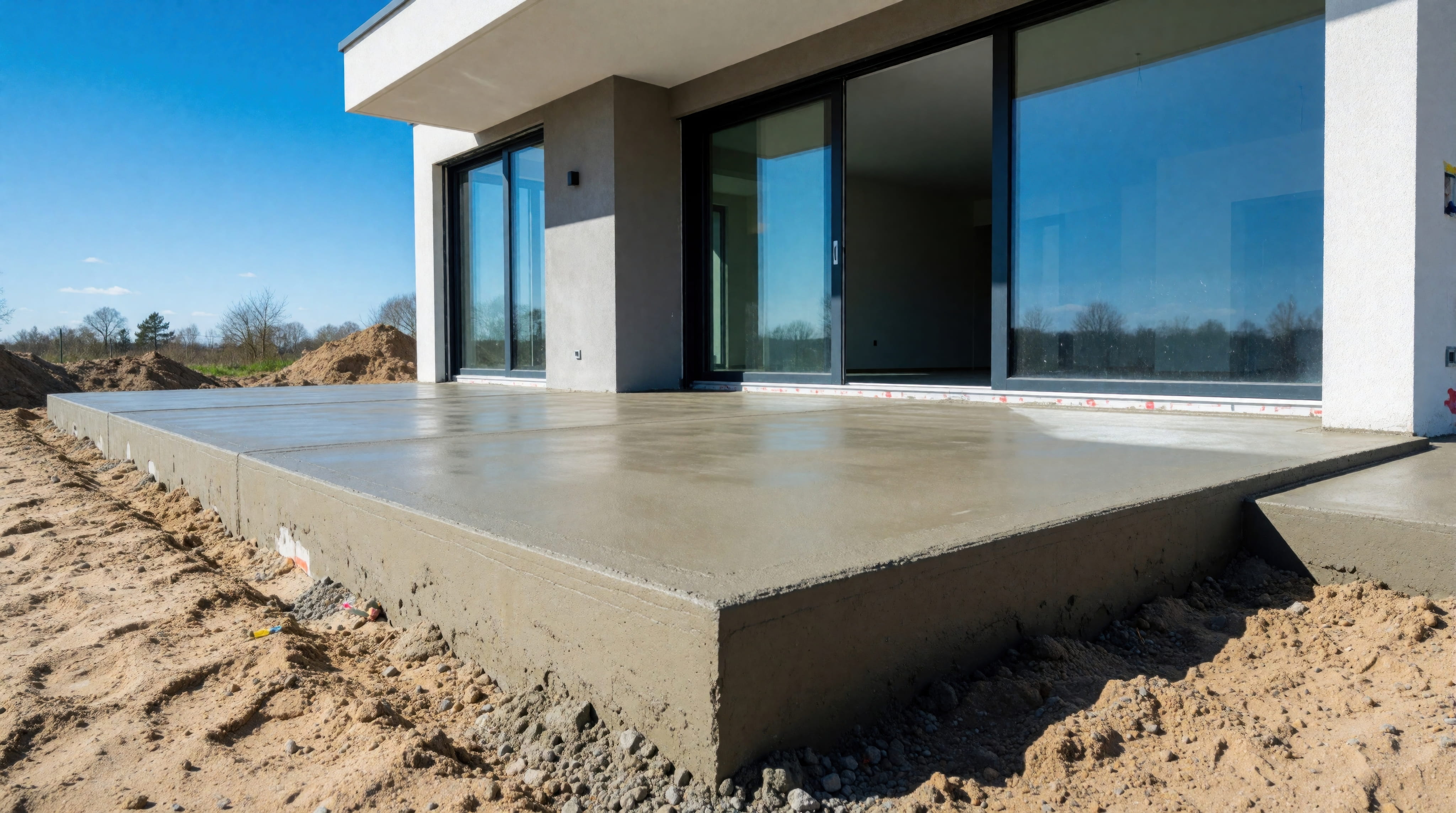
Your New Concrete Patio Is Poured. Now What? A Guide to Curing and First-Month Care
There’s something exciting about seeing a fresh concrete patio poured in your backyard. You’re probably already picturing the dining table, grill, and lounge chairs. But before you move everything in, it’s important to understand that concrete needs time to cure.
Curing is the process that allows concrete to gain strength. How your patio is treated in the first days and weeks affects its durability for years to come. In this guide, we’ll explain how concrete curing works, general timelines for use, and how to care for your new patio in North Texas weather.
Note: The timelines below are general guidelines. Always follow your installer’s specific instructions for your project.
What Is Concrete Curing?
Concrete hardens through a chemical reaction called hydration, in which cement reacts with water. This process continues for days and weeks after the pour. Curing refers to maintaining the right conditions, especially moisture and temperature, so concrete can reach its intended strength.
Concrete that dries out too quickly, particularly in hot weather, may be weaker and more prone to surface cracking.
General Curing Timeline
First 24 to 48 Hours
Concrete is still very vulnerable. Generally, avoid walking on it during this time unless your installer says otherwise.
After a Few Days
Light foot traffic is often allowed after the first couple of days, depending on conditions.
Around One Week
Many installers suggest waiting about a week before placing patio furniture.
Several Weeks
Concrete continues gaining strength for weeks. Heavy items, such as large grills, hot tubs, or heavy planters, typically need a longer wait. Concrete is commonly considered to reach its design strength after about 28 days.
Curing in North Texas Weather
Hot Weather
DFW summers can cause concrete to lose moisture too quickly. Installers may use curing methods to help keep the surface from drying too fast. Follow any instructions about watering or covering the patio.
Cold Weather
Freezing temperatures can damage fresh concrete. Pours may be scheduled around cold snaps, or protective measures may be used.
Rain
Heavy rain shortly after a pour can affect the surface. Installers plan around forecasts when possible.
Wind
Wind can speed up surface drying.
Do’s and Don’ts During Curing
Do
- Follow your installer’s instructions
- Keep kids, pets, and visitors off the patio
- Watch for any curing instructions, such as misting
- Wait before placing furniture and heavy items
- Contact your installer with questions
Don’t
- Walk on the patio too early
- Drag furniture across it
- Place heavy objects too soon
- Use deicing salts in the first winter
- Allow water from sprinklers to pool on the surface
- Pressure wash too soon
Protecting Your New Patio
Use Furniture Pads
Pads under furniture legs help prevent scratches and marks.
Avoid Grease Early
Grease and oil can stain new concrete. Consider a grill mat.
Be Careful With Planters
Heavy planters can leave marks or rust stains. Use saucers or pads.
Wait on Sealing
If you plan to seal your patio, wait until your installer or sealer manufacturer says the concrete is ready.
Normal Things You Might Notice
Color Variation
Fresh concrete may look uneven in color as it cures. Color often evens out over time.
Hairline Cracks
Small surface cracks can occur during curing. Control joints are designed to guide where cracks form.
Surface Dust
A light dust may appear on the surface early on and can be swept away.
When to Call Your Installer
- Large cracks appear
- Water pools on the surface
- Sections appear uneven
- You have questions about care
Pairing Your New Patio With Turf
If you’re installing artificial turf around your new patio, coordinate timing with your installer so curing isn’t disturbed and turf edges can be finished cleanly along the patio.
Frequently Asked Questions
When can I walk on my new concrete patio?
Generally after the first day or two, but follow your installer’s guidance.
When can I put furniture on my new patio?
Many installers suggest waiting about a week.
How long does concrete take to fully cure?
Concrete continues gaining strength for weeks and is commonly considered to reach design strength around 28 days.
Is it normal for new concrete to look uneven in color?
Yes. Color often evens out as the concrete cures.
Patience Pays Off
Giving your new concrete patio time to cure properly helps it reach its full strength and look its best for years. By following your installer’s guidance and avoiding common early mistakes, you’ll protect your investment and enjoy your patio for a long time.

Planning a New Concrete Patio in DFW?
At Finest Turf, we build concrete patios, walkways, and pads for homeowners across the DFW Metroplex, and we guide you through every step, including what to expect after the pour. Whether you’re planning a new backyard patio, replacing an old slab, extending a builder-grade patio, or creating a complete outdoor space with concrete, pavers, and artificial turf, our team will help you plan it and care for it right.
We focus on thorough site preparation, a well-compacted base designed for North Texas clay soil, reinforcement, control joints, proper slope, and careful finishing. We’ll also schedule around weather when possible and give you clear curing and care instructions so your patio gets off to the best start. You’ll get owner-led service and clear communication from your first consultation onward.
Build a patio that’s made to last. Request your free consultation with Finest Turf today and let’s plan your concrete project.


