
Our blog

Outdoor Tips, Ideas, and Inspiration From Finest Turf
Why Pavers Sink and Shift in North Texas and What Can Be Done About It
Why Pavers Sink and Shift in North Texas and What Can Be Done About It
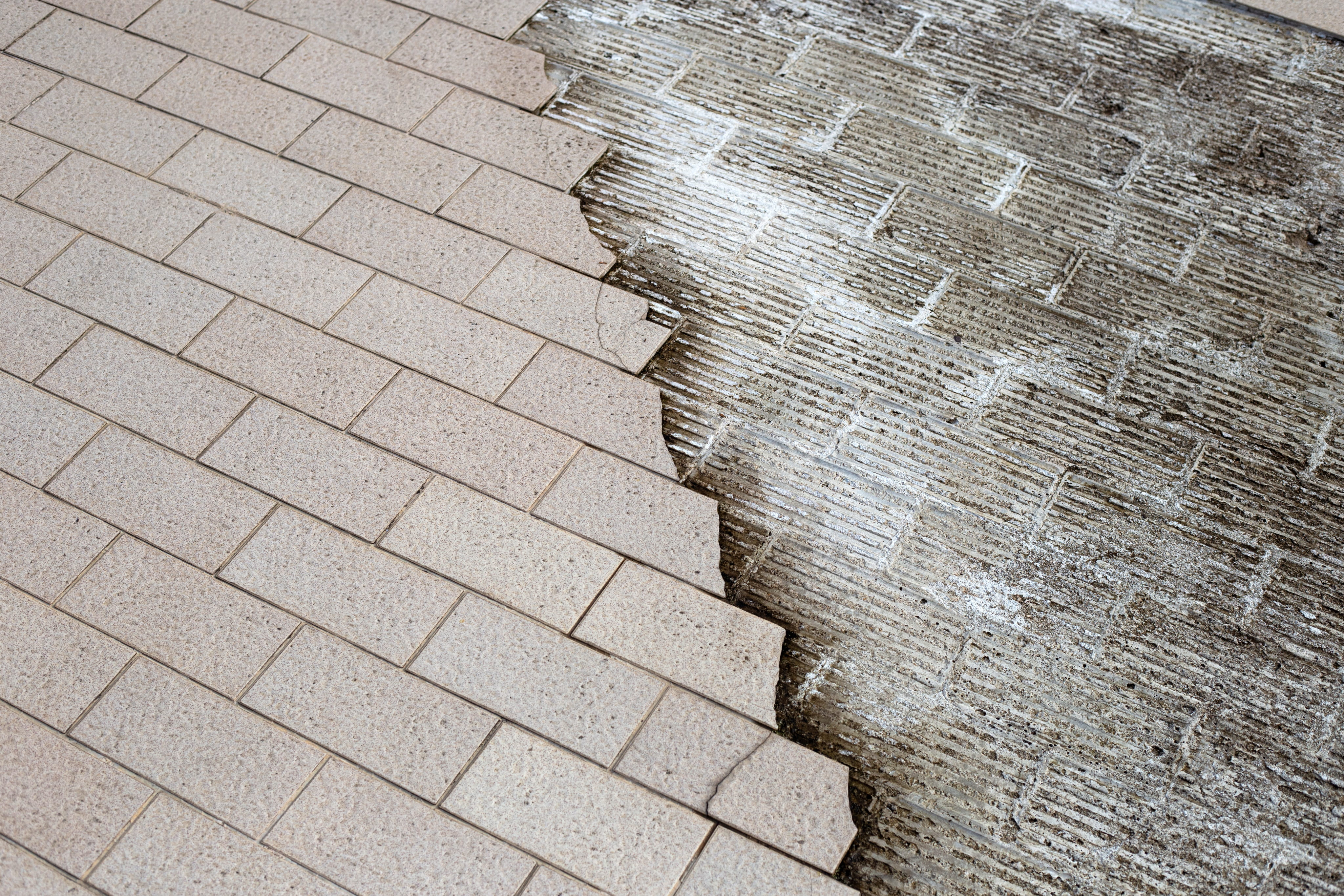
Paver patios and walkways are known for their beauty and durability. But over time, some homeowners notice problems: a few pavers that have sunk lower than the rest, a wobbly section underfoot, gaps between stones, or edges that seem to be spreading. Uneven pavers aren’t just unattractive. They can also create tripping hazards and allow water to pool.
The good news is that one of the biggest advantages of pavers is that they can often be repaired without replacing the entire surface. In this guide, we’ll explain what causes sunken or uneven pavers in DFW, how they’re typically fixed, and how to prevent problems in the future.
Common Paver Problems
- Sunken pavers: Individual pavers or sections that sit lower than the rest
- Raised or heaved pavers: Pavers pushed upward
- Wobbly pavers: Pavers that move or rock when stepped on
- Widening gaps: Joints opening up between pavers
- Spreading edges: Pavers along the edges drifting outward
- Pooling water: Puddles forming on the surface
What Causes Pavers to Sink or Shift?
1. Inadequate Base Preparation
The most common cause of paver problems is a weak base. If the base wasn’t deep enough or wasn’t properly compacted, it can settle over time, causing pavers to sink.
2. North Texas Clay Soil
DFW’s expansive clay soil swells when wet and shrinks when dry. This movement can affect paver surfaces, especially when the base isn’t built to handle it.
3. Poor Drainage
When water collects under or around pavers, it can wash out base material and soften the soil below.
4. Washed-Out Joint Sand
Joint sand locks pavers together. When it washes out from rain, cleaning, or time, pavers can loosen and shift.
5. Missing or Failing Edge Restraints
Edge restraints keep pavers from spreading outward. Without them, edges can drift and gaps can open.
6. Tree Roots
Roots growing under pavers can push them upward and create uneven areas.
7. Heavy Loads
Areas used for heavier loads than they were designed for can settle over time.
8. Downspout Runoff
Gutters draining directly onto or beside pavers can erode base material.
How Sunken or Uneven Pavers Are Typically Fixed
One major advantage of pavers is that they’re individual units, so many problems can be fixed by resetting sections instead of replacing everything.
Step 1: Identify the Cause
Before making repairs, it’s important to understand why the problem happened. Fixing pavers without addressing drainage, edge restraints, or base issues may lead to the same problem returning.
Step 2: Remove the Affected Pavers
Pavers in the problem area are carefully lifted and set aside.
Step 3: Repair the Base
The base and bedding layer are corrected. This may involve adding and compacting base material, relevelling the bedding layer, or addressing drainage issues.
Step 4: Reset the Pavers
Pavers are placed back in their original pattern and leveled with the surrounding surface.
Step 5: Secure Edges
Edge restraints are repaired or added where needed.
Step 6: Refill Joint Sand
Joint sand is swept into the gaps to lock pavers together.
Step 7: Address Drainage
If water contributed to the problem, adjustments like redirecting downspouts or improving slope help prevent future issues.
When Is a Full Rebuild Needed?
While many paver issues can be fixed by resetting sections, a larger rebuild may be the better option when:
- Settling is widespread across the patio
- The original base was poorly built throughout
- Drainage problems affect the entire area
- You want to change the layout, size, or design anyway
A professional assessment can help determine whether repairs or a rebuild makes the most sense.
Preventing Paver Problems
Build on a Strong Base
Proper excavation and compaction are the foundation of a lasting paver surface, especially on North Texas clay.
Plan for Drainage
Pavers should be sloped so water flows away from your home and off the surface.
Use Edge Restraints
Secure edges keep pavers locked in place.
Maintain Joint Sand
Check joints periodically and refill sand as needed.
Manage Downspouts
Direct gutter water away from paver surfaces.
Consider Trees
When planning a new patio or walkway, think about nearby trees and their roots.
Frequently Asked Questions About Uneven Pavers
Can sunken pavers be fixed without replacing the whole patio?
In many cases, yes. Affected sections can often be lifted, the base corrected, and pavers reset.
Why are my pavers sinking?
Common causes include a weak base, poor drainage, washed-out joint sand, and soil movement.
Will fixing pavers make them look patchy?
Since the original pavers are usually reused, repairs often blend in well.
How can I prevent pavers from shifting?
A strong base, good drainage, edge restraints, and maintained joint sand all help.
Get Your Pavers Back on Level Ground
Sunken and uneven pavers are common, especially in North Texas, but they don’t have to be permanent. By understanding the cause and addressing the base, drainage, and edges, many paver surfaces can be restored to a smooth, safe, and attractive condition.

Dealing With Uneven Pavers or Planning a New Paver Project?
If your paver patio or walkway is sinking, shifting, or looking uneven, Finest Turf can help you understand what’s going on and talk through your best options. We work with homeowners across the DFW Metroplex on paver patios, walkways, fire pit areas, and turf and paver designs, and we know how North Texas clay soil and drainage can affect outdoor surfaces over time. Whether your situation calls for resetting a problem area, rebuilding a patio on a stronger base, or designing an all-new paver space with better drainage and layout, we’ll give you honest guidance.
When we build paver surfaces, we focus on the details that help prevent these problems in the first place: proper excavation, a well-compacted base, correct slope for drainage, secure edge restraints, and properly filled joints. You’ll get owner-led service and clear communication from your first consultation through the final walkthrough.
Stop stepping around uneven pavers. Request your free consultation with Finest Turf today and let’s get your outdoor space back on solid, level ground.


