
Our blog

Outdoor Tips, Ideas, and Inspiration From Finest Turf
When the Ice Hits: How Texas Freezes Affect Turf, Pavers, and Concrete
When the Ice Hits: How Texas Freezes Affect Turf, Pavers, and Concrete
North Texas winters are usually mild, but every so often, an ice storm or hard freeze reminds us that DFW weather can be unpredictable. Icy roads, frozen pipes, and slick sidewalks get most of the attention, but freezing weather can also affect your outdoor surfaces.
If you have artificial turf, paver patios, or concrete walkways, it’s helpful to know how freezing temperatures affect them and what you can do to protect them. In this guide, we’ll cover winter care tips for turf, pavers, and concrete in DFW.
How Freezing Weather Affects Artificial Turf
Turf Itself
Artificial turf generally handles cold temperatures well. Fibers may feel stiffer in freezing weather, but they typically return to normal as temperatures rise.
Ice on Turf
Ice can form on turf surfaces after freezing rain. Walking on icy turf can be slippery, and fibers can be more brittle when frozen.
Frost
Frost may form on turf on cold mornings. It typically melts as temperatures rise.
Drainage
Melting ice and snow drain through properly installed turf, just like rain.
Turf Freeze Care Tips
- Let ice and frost melt naturally
- Avoid walking heavily on frozen turf when possible
- Don’t use metal shovels or scrapers on turf
- Avoid harsh deicing salts and chemicals on turf
- Brush turf after thawing if fibers look flat
- Clear debris after storms
How Freezing Weather Affects Pavers
Freeze-Thaw Cycles
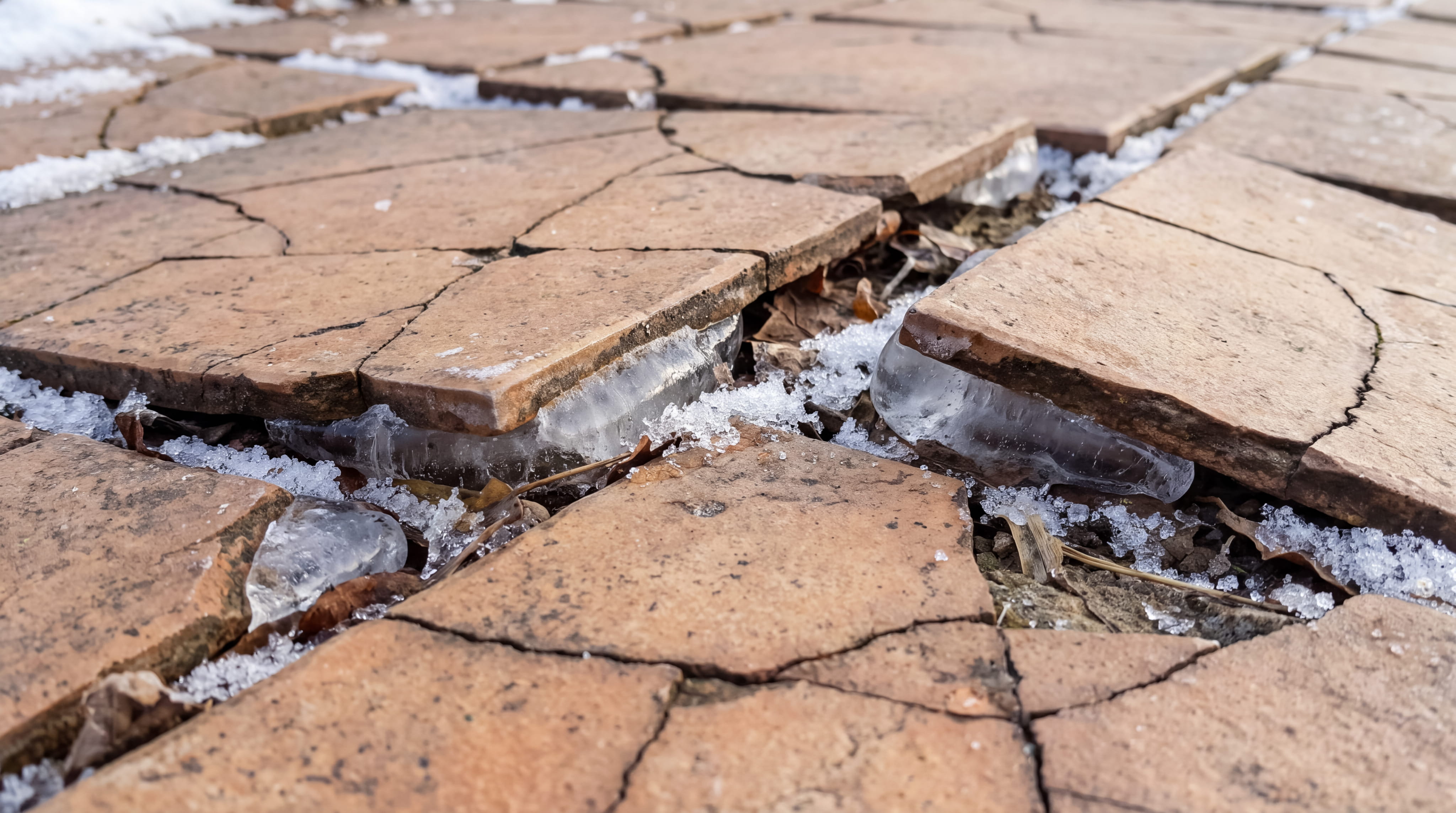
When water gets into pavers or joints and freezes, it expands. Repeated freezing and thawing can contribute to wear over time.
Shifting
Freeze-thaw cycles and soil movement can occasionally cause pavers to shift.
Joint Sand
Melting snow and ice can wash out joint sand.
Paver Freeze Care Tips
- Use plastic shovels instead of metal to avoid chipping
- Avoid harsh deicers that can damage pavers
- Use sand for traction if needed
- Check joint sand after thawing and refill as needed
- Look for any shifted or loose pavers after a freeze
How Freezing Weather Affects Concrete
Freeze-Thaw Damage
Concrete is porous. Water that soaks in and freezes can expand and cause surface damage over time, such as flaking or scaling.
Cracks
Existing cracks can let water in, and freezing can make them worse.
Deicing Salts
Some deicing salts can damage concrete surfaces, especially newer concrete.
Concrete Freeze Care Tips
- Avoid harsh deicing salts, especially on newer concrete
- Use sand for traction instead
- Shovel snow with plastic shovels
- Keep water from pooling on concrete surfaces
- Consider sealing concrete to reduce moisture absorption, if recommended
- Inspect for new cracks after freezes
Preparing Outdoor Surfaces Before a Freeze
Clear Drainage
Make sure water drains away from patios, walkways, and turf before a freeze.
Clean Gutters
Clogged gutters can overflow and create ice buildup on walkways.
Store Outdoor Items
Bring in cushions, planters, and items that can be damaged by ice.
Protect Plants
Cover sensitive plants in planting beds near turf and hardscape.
Turn Off or Protect Irrigation
Protect irrigation systems according to manufacturer or plumber recommendations to avoid freeze damage.
Have Traction Material Ready
Keep sand on hand for icy walkways.
After a Freeze: Inspection Checklist
- Check turf for flattened areas and brush as needed
- Look for loose or lifted turf edges
- Inspect pavers for shifting or loose joints
- Refill joint sand where needed
- Check concrete for new cracks or surface damage
- Clear debris from all surfaces
- Make sure drainage paths are clear
Why Installation Quality Matters in Winter
Proper installation helps surfaces handle freezing weather:
- Good drainage reduces water that can freeze on or under surfaces
- Strong, compacted bases help resist shifting
- Proper slope prevents pooling
- Secure edges keep turf and pavers in place
Frequently Asked Questions
Can artificial turf handle freezing weather?
Yes. Turf generally handles cold well. Let ice melt naturally and avoid walking heavily on frozen turf.
Should I use salt on my patio?
Harsh deicing salts can damage concrete and pavers. Sand is a safer option for traction.
Do freezes cause pavers to shift?
Freeze-thaw cycles can contribute to shifting. Check after freezes and address issues early.
How do I protect my concrete patio in winter?
Avoid harsh deicers, prevent pooling water, and consider sealing if recommended.
Ready for Whatever Winter Brings
DFW freezes may be occasional, but a little preparation helps protect your outdoor investment. By avoiding harsh deicers, using plastic shovels, letting ice melt naturally on turf, and inspecting surfaces after a freeze, you’ll keep your turf, pavers, and concrete in great shape.

Want Outdoor Surfaces Built to Handle Every Season?
At Finest Turf, we build artificial turf lawns, paver patios, and concrete walkways for homeowners across the DFW Metroplex that are designed to hold up through every season, from triple-digit summers to the occasional ice storm. Whether you’re planning a new turf backyard, a paver patio, a concrete walkway, or a complete outdoor space, our team focuses on the details that help surfaces perform year-round.
That means proper grading so water drains away, strong, compacted bases designed for North Texas clay soil, correct slope on every hard surface, and secure edges on turf and pavers. During your final walkthrough, we’ll share seasonal care tips so you know how to protect your yard through the winter. You’ll get owner-led service and clear communication from your first consultation onward.
Build an outdoor space that’s ready for anything. Book your free consultation with Finest Turf today and let’s create a yard made for North Texas weather.
Quick heads-up: at 99 blogs for a 3-service site, a lot of topics now overlap, so may risk of keyword cannibalization na. If you need more after this, I’d suggest more city-focused ones (Dallas, Irving, Grand Prairie, Mansfield, Keller, Denton, etc.) since those target different local searches instead of competing with the existing posts.


