
Our blog

Outdoor Tips, Ideas, and Inspiration From Finest Turf
What Is Turf Infill? A Simple Guide to Infill Types and How to Choose One
What Is Turf Infill? A Simple Guide to Infill Types and How to Choose One
When homeowners shop for artificial turf, most of the attention goes to the turf itself: the color, blade height, and how it feels. But there’s another component that plays a big role in how your turf looks, feels, and performs: infill.
Infill is often overlooked, yet it affects comfort, durability, drainage, pet odors, and even heat. In this guide, we’ll explain what turf infill is, why it matters, the most common artificial turf infill types, and how to choose the right one for your DFW yard.
What Is Turf Infill?
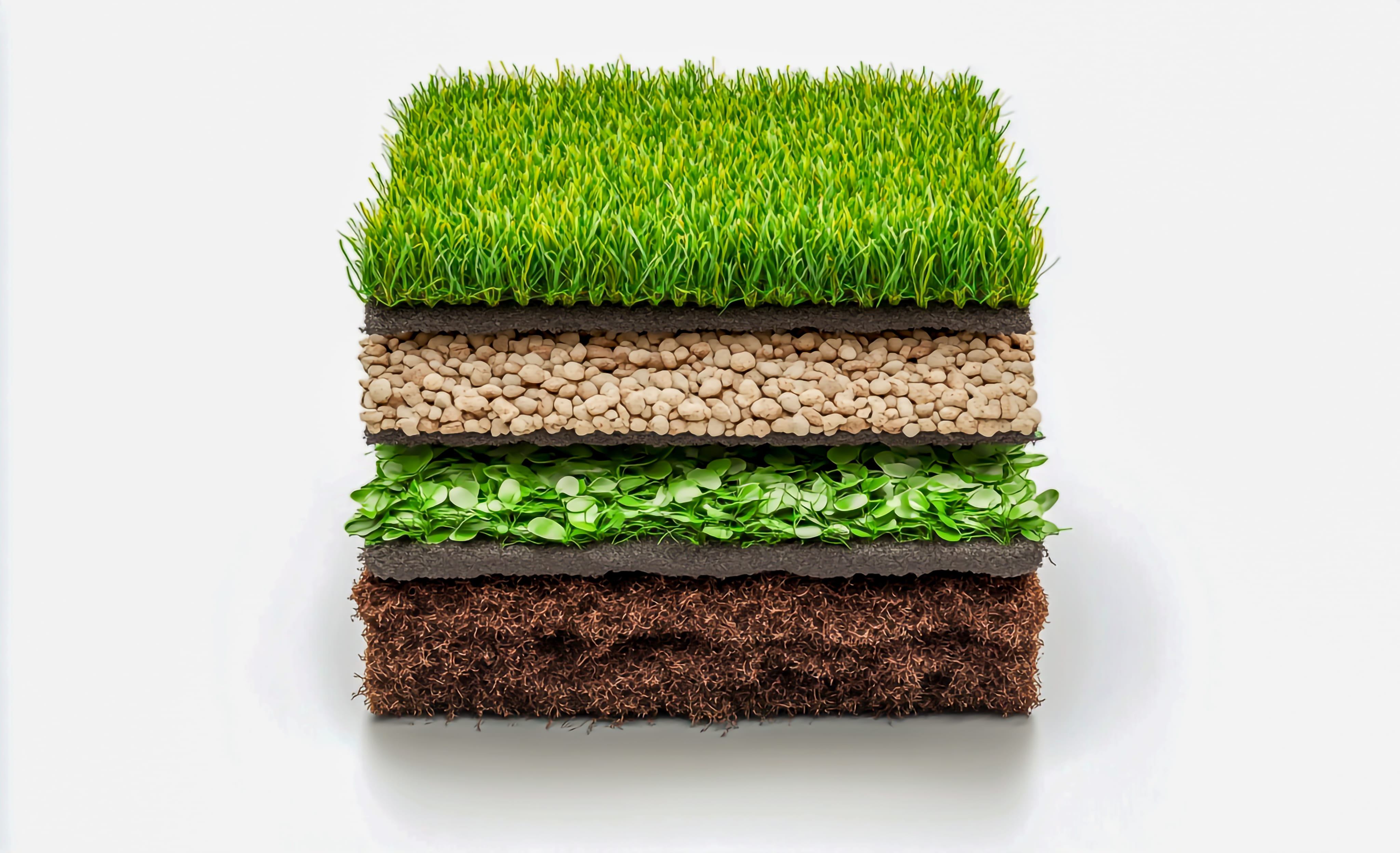
Turf infill is a granular material spread between the fibers of artificial turf after it’s installed. It settles down near the turf backing and supports the blades from the base.
Why Infill Matters
Keeps Blades Upright
Infill supports turf fibers so they stand up and look full instead of matting down.
Adds Weight
Infill helps weigh the turf down, keeping it stable and in place.
Protects the Backing
Infill shields the turf backing from direct sunlight and wear, which can help the turf last longer.
Improves Feel
Infill affects how the turf feels underfoot, adding cushion and a more natural texture.
Supports Drainage
The right infill works with the turf and base to help water drain properly.
Helps With Pet Odors
Some infills are specifically designed to help control odors in pet areas.
Common Types of Turf Infill
Silica Sand
Silica sand is one of the most common and traditional infill materials. It adds weight, helps keep turf stable, and supports the fibers.
Good for: General residential lawns and decorative areas.
Considerations: Uncoated sand may not be ideal for heavy pet use, since it can hold onto odor-causing residue.
Coated Sand
Coated sand is sand that has been coated to make it smoother and, in some cases, to add antimicrobial properties.
Good for: Residential lawns and areas where a cleaner, softer infill is desired.
Considerations: Often a step up from plain sand for comfort and cleanliness.
Zeolite
Zeolite is a natural mineral known for its ability to help trap and neutralize odors, which makes it popular in pet areas.
Good for: Dog runs and pet-friendly turf areas.
Considerations: Works best with regular rinsing to refresh its odor-controlling ability.
Crumb Rubber
Crumb rubber is made from recycled rubber and is commonly used in sports fields for cushioning.
Good for: High-impact sports areas.
Considerations: Less common in residential landscapes, and it can hold heat in direct sun.
Organic Infills
Organic infill options use natural materials, such as plant-based fibers or granules.
Good for: Homeowners interested in natural materials or added cooling properties.
Considerations: Some organic infills may need more maintenance or replenishing over time.
Specialty Cooling Infills
Some infills are designed to help reduce surface temperatures, often by retaining moisture that evaporates and cools the surface.
Good for: Sunny DFW yards, play areas, and pet zones.
Considerations: Ask your installer how these perform in your specific conditions.
Choosing the Right Infill for Your Yard
For Pet Areas
Odor control and drainage are key. Infills like zeolite are often recommended for dog runs, combined with regular rinsing.
For Family Lawns and Play Areas
Comfort and cleanliness matter. Coated or specialty infills can provide a softer feel.
For Sunny Yards
In full-sun DFW yards, consider infill options designed with heat in mind.
For Decorative Areas
Front yards and low-traffic areas may do well with standard infill.
For Turf on Slopes
Infill choice and distribution need extra attention so it stays in place during heavy rain.
How Infill Is Installed
After the turf is laid, seamed, and secured, infill is spread evenly across the surface. The turf is then brushed to work infill down between the fibers and lift the blades upright. The right amount of infill depends on the turf product and how the area will be used.
Maintaining Your Infill
- Brush high-traffic areas to redistribute infill
- Rinse pet areas regularly to keep odor-controlling infill fresh
- Watch for areas where infill has washed out after heavy storms
- Top off infill if you notice blades lying flat or backing showing
Signs Your Turf Needs More Infill
- Turf fibers lying flat and not bouncing back
- Visible backing between fibers
- Turf feeling thin or less cushioned
- Seams becoming more visible
Frequently Asked Questions About Turf Infill
Do I need infill for my artificial turf?
Many residential turf products are designed to use infill for support, stability, and performance.
What’s the best infill for dogs?
Infills designed for odor control, like zeolite, are often recommended for pet areas.
Does infill make turf hotter?
Some infills hold heat more than others. Specialty infills can help with cooling.
Will infill wash away in the rain?
Some movement can happen, especially on slopes. Brushing and occasional top-offs keep it balanced.
The Hidden Ingredient in Great Turf
Infill might not be the first thing you notice, but it plays a major role in how your artificial turf looks, feels, and lasts. Choosing the right artificial turf infill for your yard’s use and conditions helps your turf stay comfortable, clean, and beautiful for years.

Want Help Choosing the Right Turf and Infill for Your Yard?
At Finest Turf, we believe every detail matters, including the ones you can’t see once the project is done. We help homeowners and businesses across the DFW Metroplex choose the right combination of turf and infill for each part of their property, whether it’s a pet-friendly dog run, a soft play area for the kids, a sunny backyard lawn, a decorative front yard, or turf on a slope that needs extra stability. We’ll walk you through the options in plain language and recommend what fits your yard and lifestyle.
From there, our team handles everything, from grading and building a strong, compacted base designed for North Texas clay soil to laying and seaming the turf, securing the edges, and spreading and brushing in the infill so your lawn looks full and natural. During your final walkthrough, we’ll share care tips to keep your infill and turf performing at their best. You’ll get owner-led service and clear communication every step of the way.
Get the details right from the ground up. Schedule your free consultation with Finest Turf today and let’s build a turf lawn you’ll love for years.


