
Our blog

Outdoor Tips, Ideas, and Inspiration From Finest Turf
To Seal or Not to Seal? A Practical Guide to Sealing Pavers in North Texas
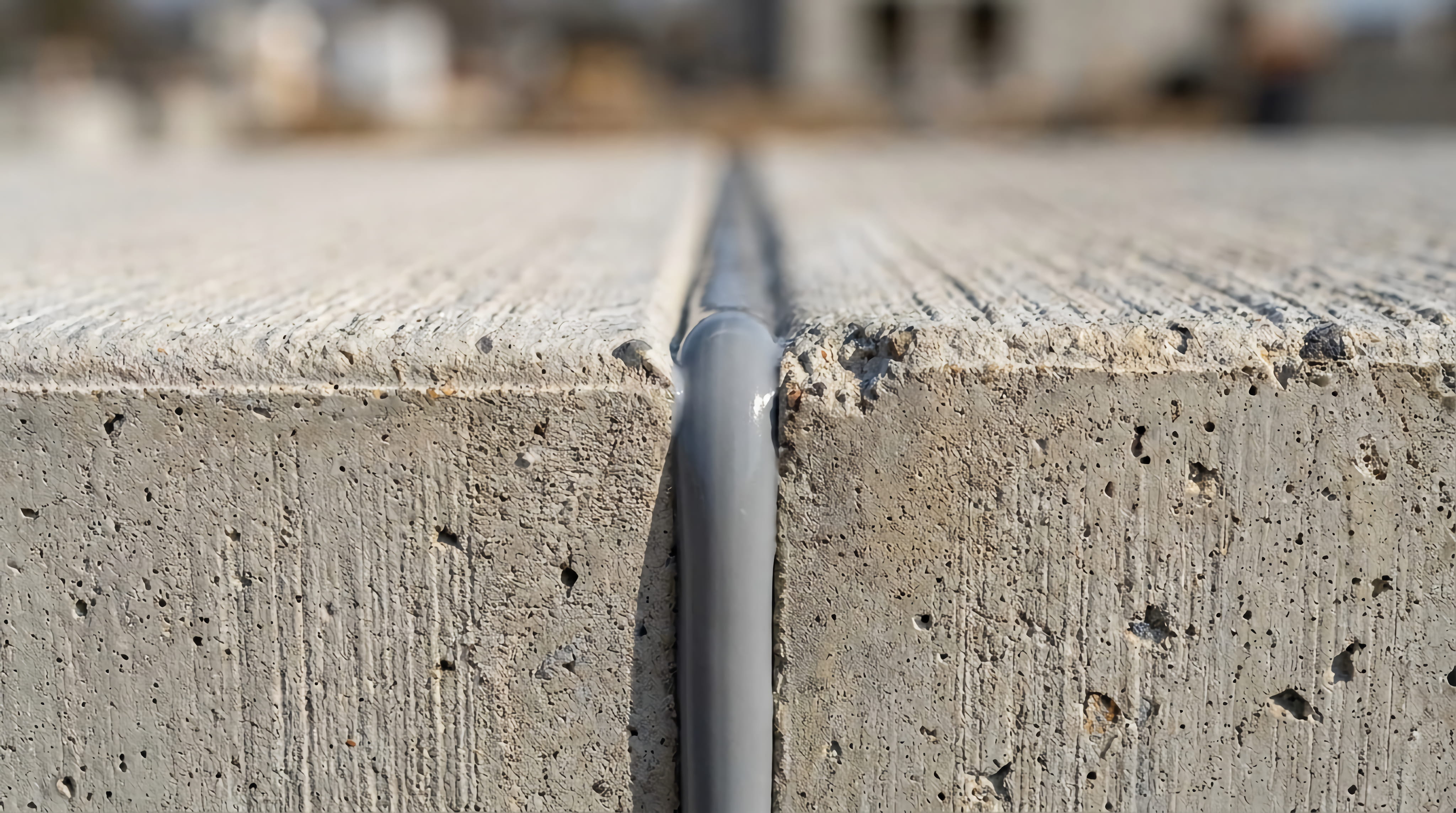
To Seal or Not to Seal? A Practical Guide to Sealing Pavers in North Texas
If you have a paver patio or walkway, you’ve probably heard mixed advice about sealing. Some people swear by it, while others say it’s unnecessary. The truth is that sealing pavers can offer real benefits, but whether it’s right for your patio depends on your pavers, how you use the space, and the look you want.
In this guide, we’ll break down what paver sealing does, the pros and cons, types of sealers, when to seal, and how to decide whether sealing pavers makes sense for your DFW home.
What Does Paver Sealing Do?
A paver sealer is a protective coating applied to the surface of pavers. Depending on the product, it can:
- Help protect against stains
- Enhance or deepen paver color
- Reduce fading from sun exposure
- Help stabilize joint sand
- Make cleaning easier
- Reduce moisture absorption
Benefits of Sealing Pavers
Stain Protection
Sealing helps resist stains from grease, food, drinks, leaves, and rust, which is especially helpful for patios with grills and dining areas.
Color Enhancement
Some sealers bring out richer, deeper colors. Others maintain a natural look.
Joint Sand Stabilization
Certain sealers help lock joint sand in place, reducing washout and weed growth.
Easier Cleaning
Sealed pavers are often easier to sweep and rinse clean.
UV Protection
Sealers can help reduce fading caused by intense Texas sun.
Potential Downsides of Sealing
Ongoing Maintenance
Sealers wear over time and need to be reapplied periodically.
Appearance Changes
Some sealers create a glossy or “wet look” finish that not everyone prefers.
Slipperiness
Certain glossy sealers can make surfaces more slippery when wet. Slip-resistant additives may be available for some products.
Improper Application Problems
Applying sealer incorrectly, such as on damp pavers or in poor weather, can cause cloudiness, peeling, or uneven appearance.
Cost and Effort
Sealing requires cleaning, preparation, and application time.
Types of Paver Sealers
Film-Forming Sealers
These create a protective layer on the surface. They can enhance color and may produce a satin or glossy finish.
Penetrating Sealers
These soak into the pavers and protect from within, typically leaving a more natural appearance.
Joint-Stabilizing Sealers
Some sealers are designed to help harden and lock joint sand in place.
Finish Options
- Natural or matte: Maintains the original look
- Satin: Subtle enhancement
- Wet look or gloss: Rich, shiny appearance
Ask your installer which sealer type and finish work best for your pavers.
When Should You Seal Pavers?
New Pavers
Many sealer manufacturers recommend waiting a period of time after installation before sealing new pavers, particularly to allow any efflorescence (a white, powdery haze) to surface and be cleaned. Follow your installer’s or the product’s recommendation.
Weather
In DFW, choose a stretch of dry weather with moderate temperatures. Avoid sealing right before rain or during extreme heat.
After Cleaning
Pavers should be thoroughly cleaned and completely dry before sealing.
Reapplication
Sealer lifespan varies by product and use. Watch for signs that it’s wearing, such as water no longer beading or colors looking faded.
How Paver Sealing Works
- Clean the pavers thoroughly to remove dirt, stains, and efflorescence
- Refill joint sand where needed
- Allow pavers to dry completely
- Apply sealer evenly according to product instructions
- Allow curing time before foot traffic and furniture
Because mistakes can be hard to fix, many homeowners prefer professional help.
Should You Seal Your Pavers?
Sealing may be a good idea if:
- Your patio has a grill or outdoor kitchen
- You want to enhance color
- Joint sand washes out often
- Your pavers get heavy use
- You want easier cleaning
You might skip sealing if:
- You prefer a completely natural look
- Your pavers see light use
- You don’t want ongoing reapplication
Frequently Asked Questions
Do I have to seal my pavers?
No. Sealing is optional, but it can offer protection and appearance benefits.
How often do pavers need to be resealed?
It varies by product, sun exposure, and traffic. Watch for signs of wear.
Will sealing make my pavers slippery?
Some glossy sealers can. Ask about slip-resistant options.
Can I seal pavers right after installation?
Many manufacturers recommend waiting. Follow your installer’s guidance.
Make the Right Choice for Your Pavers
Sealing pavers can protect against stains, enhance color, and help stabilize joint sand, but it also requires maintenance and the right timing. By understanding the pros, cons, and options, you can decide whether sealing pavers is right for your North Texas patio or walkway.

Want Pavers That Look Great and Last for Years?
Beautiful pavers start with a quality installation. At Finest Turf, we design and install paver patios, walkways, fire pit areas, and turf and paver designs for homeowners across the DFW Metroplex. Whether you’re planning a brand-new paver patio, adding a walkway, creating an outdoor dining space with a grill zone, or designing a modern layout that combines pavers with clean green turf, our team will help you choose pavers, patterns, and finishes that fit your home.
We build every paver project with the details that help it last: proper excavation, a well-compacted base designed for North Texas clay soil, correct slope for drainage, secure edge restraints, and properly filled joints. During your final walkthrough, we’ll share care tips and talk through whether sealing makes sense for your pavers and how you use your space. You’ll get owner-led service and clear communication from your first consultation onward.
Protect your investment and enjoy it for years. Request your free consultation with Finest Turf today and let’s create a paver space you’ll love.


