
Our blog

Outdoor Tips, Ideas, and Inspiration From Finest Turf
Polymeric Sand or Regular Sand? Choosing the Right Joint Sand for Your Pavers
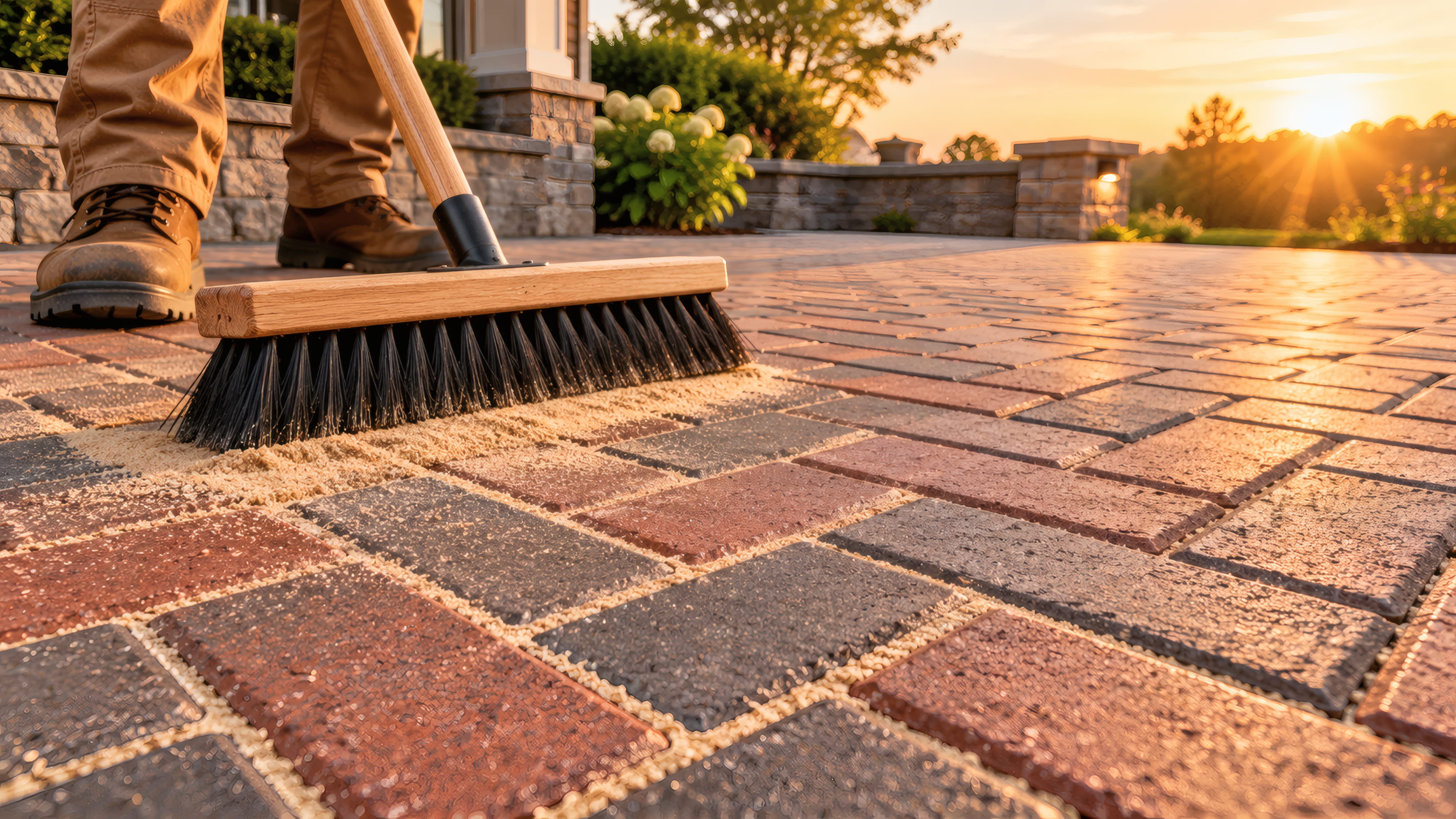
Polymeric Sand or Regular Sand? Choosing the Right Joint Sand for Your Pavers
The sand between your pavers might seem like a small detail, but it plays a big role in how your patio or walkway performs. Joint sand locks pavers together, helps keep them stable, and affects how well the surface resists weeds, washout, and shifting.
When planning a paver project or maintaining an existing one, you’ll likely hear about two main options: regular joint sand and polymeric sand. In this guide, we’ll compare polymeric sand vs. regular sand, including pros, cons, and how to choose the best option for your DFW patio.
Why Joint Sand Matters
Joint sand fills the gaps between pavers and:
- Locks pavers together so they don’t shift
- Distributes weight across the surface
- Helps prevent pavers from rocking
- Reduces gaps where weeds can grow
- Contributes to the overall finished look
Without enough joint sand, pavers can loosen and shift over time.
Regular Joint Sand
Regular joint sand is a fine, dry sand swept into paver joints.
Pros
- Easy to apply and replenish
- Budget-friendly
- Simple to work with for repairs
- Allows some water to pass through joints
Cons
- Can wash out during heavy rain
- More prone to weeds and ants
- Needs more frequent refilling
- Can be scattered by sweeping or blowing
Polymeric Sand
Polymeric sand is a sand mixed with binding agents. When activated with water, it hardens to help lock pavers in place.
Pros
- Resists washout from rain
- Helps reduce weed growth in joints
- Can discourage ants from nesting
- Creates a cleaner, more finished look
- Helps stabilize pavers
Cons
- Requires careful installation
- Can leave a haze on pavers if residue isn’t cleared before activation
- More challenging to remove for repairs
- Typically a higher material cost
- Performance depends on correct application
Side-by-Side Comparison
Weed Resistance
Regular sand: Weeds can grow more easily.
Polymeric sand: Helps reduce weed growth.
Washout
Regular sand: More likely to wash out in storms.
Polymeric sand: More resistant to washout when properly installed.
Installation
Regular sand: Simple to sweep in.
Polymeric sand: Requires careful sweeping, clearing residue, and proper activation.
Repairs
Regular sand: Easy to remove and replace.
Polymeric sand: More work to remove when resetting pavers.
Appearance
Regular sand: Natural, but can look uneven over time.
Polymeric sand: Cleaner, more uniform joints.
Cost
Regular sand: Lower material cost.
Polymeric sand: Higher material cost.
Considerations for North Texas
Heavy storms. DFW’s intense rains can wash regular sand out of joints. Polymeric sand’s washout resistance can be a benefit.
Weeds and ants. Polymeric sand can help reduce weeds and ant activity in joints.
Heat. Installation timing matters. Polymeric sand should be installed according to manufacturer guidelines for temperature and weather.
Soil movement. Clay soil movement can affect pavers. A strong base is essential regardless of joint sand type.
Installation Tips for Polymeric Sand
- Pavers should be dry before application
- Sweep sand fully into joints
- Compact to settle sand
- Remove all residue from paver surfaces before activation
- Activate with water according to product instructions
- Avoid application before rain
Because mistakes like haze are difficult to fix, many homeowners prefer professional installation.
When to Choose Each
Choose regular sand if:
- You prefer easier future repairs
- Budget is a priority
- The area sees light use
Choose polymeric sand if:
- Weeds and washout are concerns
- You want a cleaner look
- You want added joint stability
Maintaining Joint Sand
- Inspect joints periodically
- Refill when gaps appear
- Pull weeds early
- Avoid pressure washing directly into joints
- Re-sand after paver repairs
Frequently Asked Questions
Is polymeric sand better than regular sand?
It depends on your priorities. Polymeric sand offers weed and washout resistance, while regular sand is easier for repairs.
Can polymeric sand stain pavers?
Residue left on pavers before activation can cause haze. Proper installation helps prevent this.
How often should I refill joint sand?
Check periodically and refill when gaps appear.
Can I switch from regular to polymeric sand?
Yes, though old sand typically needs to be removed from the joints first.
The Right Sand for a Stable Surface
Choosing between polymeric sand and regular sand depends on your patio’s use, your maintenance preferences, and your concerns about weeds and washout. Either way, proper installation and a strong base are what keep your pavers stable and beautiful.

Want a Paver Patio Built With the Details That Matter?
At Finest Turf, we design and install paver patios, walkways, courtyards, and fire pit areas for homeowners across the DFW Metroplex, and we pay attention to every detail, including the joint sand that holds it all together. Whether you’re planning a new paver project or a turf and paver design, we’ll recommend the right joint sand for your space and install it properly so your pavers stay stable and clean.
Every paver project starts with proper excavation, a strong, compacted base designed for North Texas clay soil, the correct slope for drainage, and secure edge restraints. You’ll get owner-led service and clear communication from your first consultation through the final walkthrough.
Build a paver space that stays beautiful. Schedule your free consultation with Finest Turf today and let’s plan your project.


