
Our blog

Outdoor Tips, Ideas, and Inspiration From Finest Turf
Picking the Perfect Paver Color: How to Match Your Patio to Your Home
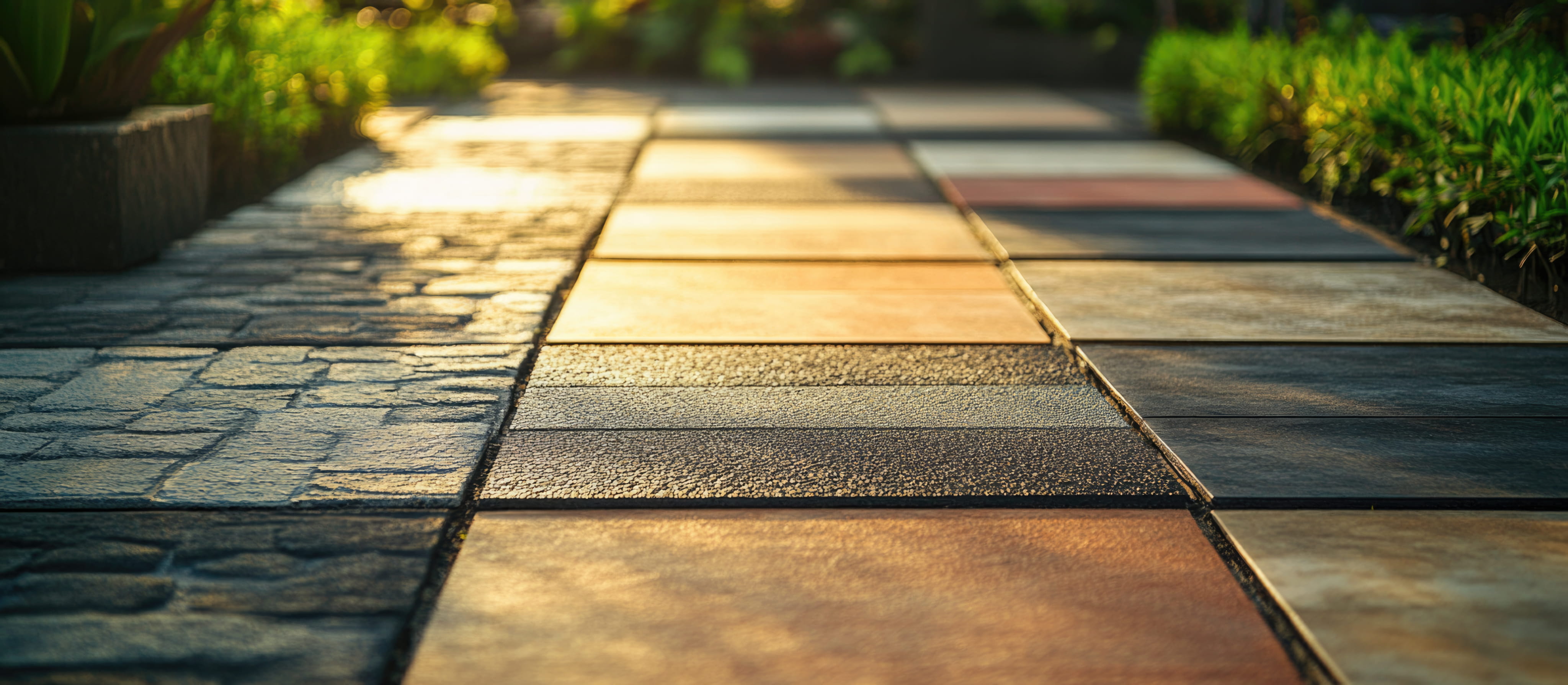
Picking the Perfect Paver Color: How to Match Your Patio to Your Home
When planning a paver patio, walkway, or courtyard, color is one of the most exciting decisions you’ll make. It’s also one of the most important. The right paver color ties your outdoor space to your home, complements your landscaping, and sets the tone for your entire yard. The wrong color can feel out of place or clash with your home’s exterior.
With so many options available, from warm earth tones to cool grays and bold charcoals, choosing paver colors can feel overwhelming. In this guide, we’ll walk through how to choose paver colors that match your home, your style, and the North Texas climate.
Start With Your Home’s Exterior
Your home is the anchor for your color choices. Look closely at:
Brick or Stone
Many DFW homes feature brick or stone exteriors. Look at the dominant and accent colors in the masonry. Pavers that pick up one of those tones often create a cohesive look.
Roof Color
Your roof is a large visual element. Pavers that complement your roof color help tie the whole property together.
Trim and Siding
Trim, shutters, and siding colors can guide accent or border colors.
Front Door and Accents
Bold door colors or decorative features may inspire accent choices but usually shouldn’t dictate the main paver color.
Warm vs. Cool Color Families
Warm Tones
Tans, beiges, reds, terracotta, and earthy browns create a warm, inviting look. They often pair well with:
- Red or tan brick
- Traditional and Mediterranean homes
- Rustic and natural landscapes
Cool Tones
Grays, charcoals, slate blues, and silvery tones create a clean, modern look. They often pair well with:
- Gray, white, or painted brick
- Contemporary and modern farmhouse homes
- Minimalist landscapes
Neutral Blends
Many pavers come in blended colors that combine multiple tones. Blends can bridge warm and cool elements and help hide dirt and wear.
Solid Colors vs. Blends
Solid colors create a clean, uniform look and work well for modern designs.
Blends mix multiple shades in each paver or across the batch, creating a natural, textured appearance. Blends tend to be more forgiving, hiding dirt, leaves, and minor stains.
Using Borders and Accents
A contrasting border can elevate your paver design.
- Darker borders frame lighter fields and add definition
- Lighter borders brighten darker fields
- Accent bands can break up large areas or define zones
Borders also help tie in other colors from your home’s exterior.
Consider the Texas Heat
In North Texas, color also affects comfort.
Lighter pavers tend to stay cooler underfoot in direct sun, which is helpful for patios used in summer.
Darker pavers absorb more heat and can get warmer, though they hide dirt and stains well.
If your patio gets full afternoon sun, consider lighter or mid-tone colors, or plan shade over darker areas.
Think About Maintenance
Lighter colors may show dirt, leaves, and stains more easily.
Darker colors may show dust, pollen, and efflorescence (a white mineral haze) more readily.
Blends often hide everyday wear best.
Coordinate With Turf and Landscaping
If you’re combining pavers with artificial turf, consider how the paver color looks next to bright green:
- Gray and charcoal pavers create a crisp, modern contrast with turf
- Tan and warm pavers create a softer, natural look
- White or light pavers make turf appear vibrant
Also consider mulch, rock, plants, and outdoor furniture colors.
Match Your Style
Modern
Charcoal, gray, or white pavers in large formats with clean lines.
Traditional
Warm blends, reds, and tans with classic patterns like herringbone or basketweave.
Rustic or Natural
Earthy blends with textured surfaces and multi-size patterns.
Transitional
Neutral gray-tan blends that bridge modern and traditional elements.
Tips for Choosing Paver Colors
- See samples in person. Colors can look different online.
- View samples outdoors. Look at them in sunlight and shade, morning and afternoon.
- Hold samples against your home. Compare them directly to your brick, stone, and trim.
- Consider wet vs. dry. Pavers often look darker when wet, and sealers can change the look.
- Think long-term. Choose colors you’ll love for years, not just current trends.
Frequently Asked Questions
What paver color goes with red brick?
Warm tans, reds, and earthy blends often complement red brick, while charcoal borders can add contrast.
Do dark pavers get hotter?
Darker pavers generally absorb more heat in direct sun.
Are blended pavers better than solid colors?
Blends often hide dirt and wear better, while solids create a clean, modern look.
What paver colors look best with turf?
Gray and charcoal create a crisp contrast, while tans create a softer, natural look.
Color That Completes Your Home
Choosing paver colors is about creating harmony between your home, your landscape, and your lifestyle. By considering your home’s exterior, color families, climate, maintenance, and style, you can choose pavers that look like they’ve always belonged.

Need Help Choosing Paver Colors That Fit Your Home?
At Finest Turf, we help homeowners across the DFW Metroplex choose paver colors, patterns, and borders that complement their homes and outdoor spaces. Whether you’re planning a backyard patio, a front entry walkway, a courtyard, a fire pit area, or a modern turf and paver design, we’ll help you compare options against your brick, roof, and landscaping so your new space feels like a natural extension of your home.
Once the design is set, we build with care: proper excavation, a strong, compacted base designed for North Texas clay soil, correct slope for drainage, secure edge restraints, and clean, consistent patterns. You’ll get owner-led service and clear communication from your first consultation through the final walkthrough.
Let’s find the color that completes your outdoor space. Request your free consultation with Finest Turf today and start designing a paver project you’ll love.


