
Our blog

Outdoor Tips, Ideas, and Inspiration From Finest Turf
Paver Patio or Wood Deck? Choosing the Right Backyard Surface for North Texas
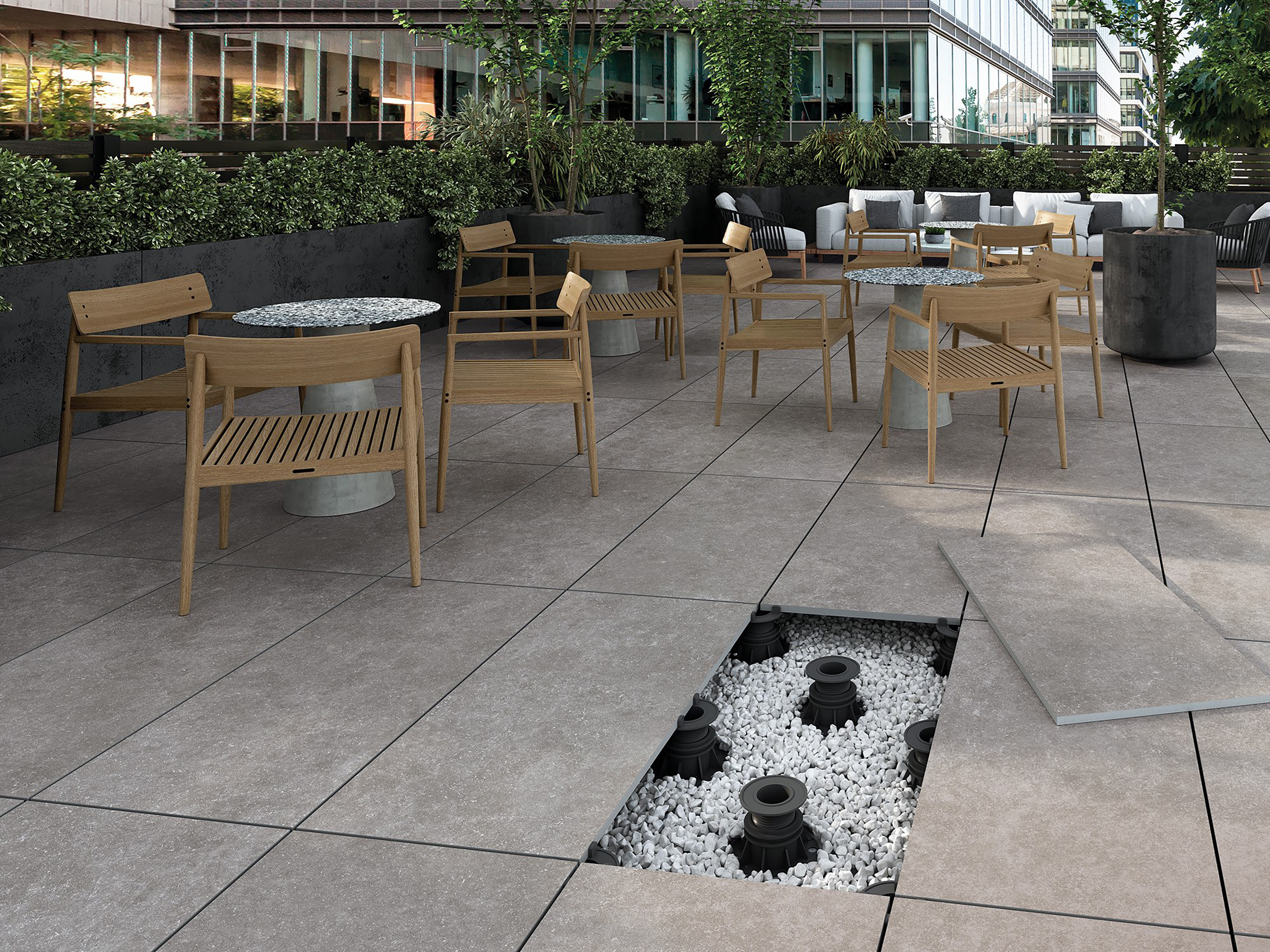
Paver Patio or Wood Deck? Choosing the Right Backyard Surface for North Texas
When planning an outdoor living space, many homeowners find themselves choosing between a paver patio and a wood deck. Both create areas for dining, relaxing, and entertaining, and both can look beautiful. But they perform very differently, especially in the Dallas-Fort Worth climate, with its intense sun, heavy storms, and occasional freezes.
In this guide, we’ll compare paver patios and wood decks side by side, so you can choose the best backyard surface for your home and lifestyle.
Paver Patio: An Overview
A paver patio is built at ground level using individual pavers laid over a compacted base and locked together with joint sand.
Strengths:
- Durable and long-lasting with proper installation
- Low maintenance
- Doesn’t rot, warp, or splinter
- Wide range of colors, shapes, and patterns
- Flexible with soil movement
- Individual pavers can be replaced
- Non-combustible surface for fire pits and grills
Considerations:
- Best suited for relatively flat areas or slopes with proper grading
- Joint sand may need occasional refilling
- Can get warm in direct sun, depending on color
Wood Deck: An Overview
A wood deck is an elevated platform built on posts and framing, with wood or composite boards on top.
Strengths:
- Works well on steep slopes or raised entries
- Can create elevated views
- Warm, natural look
- Can connect directly to raised doors
Considerations:
- Natural wood needs regular staining or sealing
- Wood can warp, crack, splinter, or rot over time
- Can be affected by pests like termites
- Sun and moisture can weather boards
- Not ideal for fire pits without precautions
- Structural inspections may be needed over time
Side-by-Side Comparison
Durability
Pavers handle heavy furniture, foot traffic, and weather with minimal wear.
Wood decks are susceptible to rot, warping, and weathering, especially in hot, humid conditions.
Maintenance
Pavers need sweeping, occasional cleaning, and joint sand upkeep.
Wood decks often need regular cleaning, staining or sealing, and board replacement over time.
Heat
Pavers can get warm in full sun, with lighter colors staying cooler.
Wood and composite decks can also get hot in direct sun, with some composite materials becoming especially warm.
Fire Safety
Pavers are non-combustible and ideal for fire pits and grills.
Wood decks require caution and protective measures around heat sources.
Design Flexibility
Pavers offer countless patterns, colors, and borders, and pair well with artificial turf.
Decks offer elevated layouts, railings, and multi-level designs.
Terrain
Pavers work best on flat or graded ground.
Decks excel on steep slopes or where the door is well above ground level.
Repairs
Pavers can be lifted and replaced individually.
Decks may require board replacement or structural repairs.
Why Many DFW Homeowners Choose Pavers
In North Texas, many homeowners prefer pavers because:
- They hold up to intense sun without warping or splintering
- They don’t rot after heavy storms
- They’re ideal for fire pits and outdoor cooking
- They require less ongoing maintenance
- They pair beautifully with turf and concrete
When a Deck Might Make Sense
- Your back door is significantly elevated above the yard
- Your yard has a steep slope that would require extensive grading
- You want an elevated platform for views
In some cases, a combination works: a small deck or landing at the door with steps down to a paver patio.
Pairing Pavers With Turf
Paver patios work especially well with artificial turf. A paver patio near the house, framed by green turf, creates a clean, low-maintenance outdoor space that looks great year-round.
Frequently Asked Questions
Is a paver patio better than a deck in Texas?
For many DFW homeowners, pavers offer better durability and lower maintenance, but decks can be better for elevated or steep sites.
Do paver patios last longer than wood decks?
Properly installed pavers are known for long-lasting durability and don’t rot like wood.
Can I put a fire pit on a paver patio?
Yes. Pavers are non-combustible and well suited for fire pits.
Which is easier to maintain?
Pavers generally require less maintenance than wood decks.
Choose the Surface That Fits Your Yard
Both paver patios and wood decks can create beautiful outdoor living spaces. For many North Texas homeowners, pavers offer the durability, low maintenance, and design flexibility that fit the climate and lifestyle. Decks remain a good option for elevated or steep sites.

Considering a Paver Patio for Your Backyard?
At Finest Turf, we design and install paver patios, walkways, and fire pit areas for homeowners across the DFW Metroplex. While we don’t build wood decks, we’re happy to help you understand whether a ground-level paver patio is a good fit for your yard. Whether you want a dining patio near the house, a cozy fire pit area, a patio framed by clean green artificial turf, or a complete backyard with pavers, concrete, and turf working together, our team will help you design an outdoor space built for North Texas living.
We’ll look at your yard’s grade, how you plan to use the space, and the style you want, then build your patio on a strong, compacted base designed for clay soil, with proper drainage, secure edge restraints, and clean, consistent patterns. You’ll get owner-led service and clear communication from your first consultation through the final walkthrough.
Build a backyard surface designed to last. Request your free consultation with Finest Turf today and let’s plan your paver patio.


