
Our blog

Outdoor Tips, Ideas, and Inspiration From Finest Turf
Is Artificial Turf Good for the Environment? A Balanced Look for Texas Homeowners
Is Artificial Turf Good for the Environment? A Balanced Look for Texas Homeowners
As more DFW homeowners consider artificial turf, many also ask an important question: Is artificial turf eco-friendly? It’s a fair question, and the honest answer is that it’s complicated. Artificial turf has real environmental benefits, especially in a water-conscious region like North Texas. It also has trade-offs worth understanding.
In this guide, we’ll take a balanced look at the environmental pros and cons of artificial turf, so you can make an informed decision that fits your values and your yard.
Environmental Benefits of Artificial Turf
Water Savings
The most significant environmental benefit is reduced water use. Natural lawns in North Texas often require substantial irrigation during hot, dry summers. Artificial turf doesn’t need regular watering to stay green, which can greatly reduce outdoor water use, especially during drought and watering restrictions.
No Fertilizers
Natural lawns often rely on fertilizers to stay green. Excess fertilizer can wash into storm drains and waterways. Turf eliminates the need for lawn fertilizer.
Fewer Pesticides and Herbicides
Turf typically requires little to no pesticide or herbicide use compared to many natural lawns.
No Mower Emissions
Gas-powered lawn mowers, edgers, and blowers produce emissions and noise. Turf eliminates mowing and edging.
Less Yard Waste
No grass clippings means less yard waste.
Reduced Runoff of Lawn Chemicals
With fewer chemicals applied, there’s less chemical runoff from your yard.
Environmental Considerations and Trade-Offs
Made From Synthetic Materials
Artificial turf is made from plastics and synthetic materials. Its production involves manufacturing processes and resources.
End-of-Life Disposal
When turf eventually reaches the end of its life, disposal is a consideration. Recycling options for turf exist but are not available everywhere. Turf that isn’t recycled may end up in landfills.
Heat
Turf can get warmer than natural grass in direct sun. Large areas of synthetic surfaces can contribute to localized heat.
No Habitat Value on Its Own
Natural lawns and landscapes can support insects and soil organisms. Turf doesn’t provide that habitat on its own.
Microplastic Concerns
Some researchers and environmental groups have raised questions about synthetic fibers and certain infill materials breaking down over time. This is an area of ongoing discussion.
Soil Health Under Turf
Covering soil limits the natural processes that happen in a living lawn.
Ways to Make a Turf Yard More Environmentally Friendly
Combine Turf With Native Plants
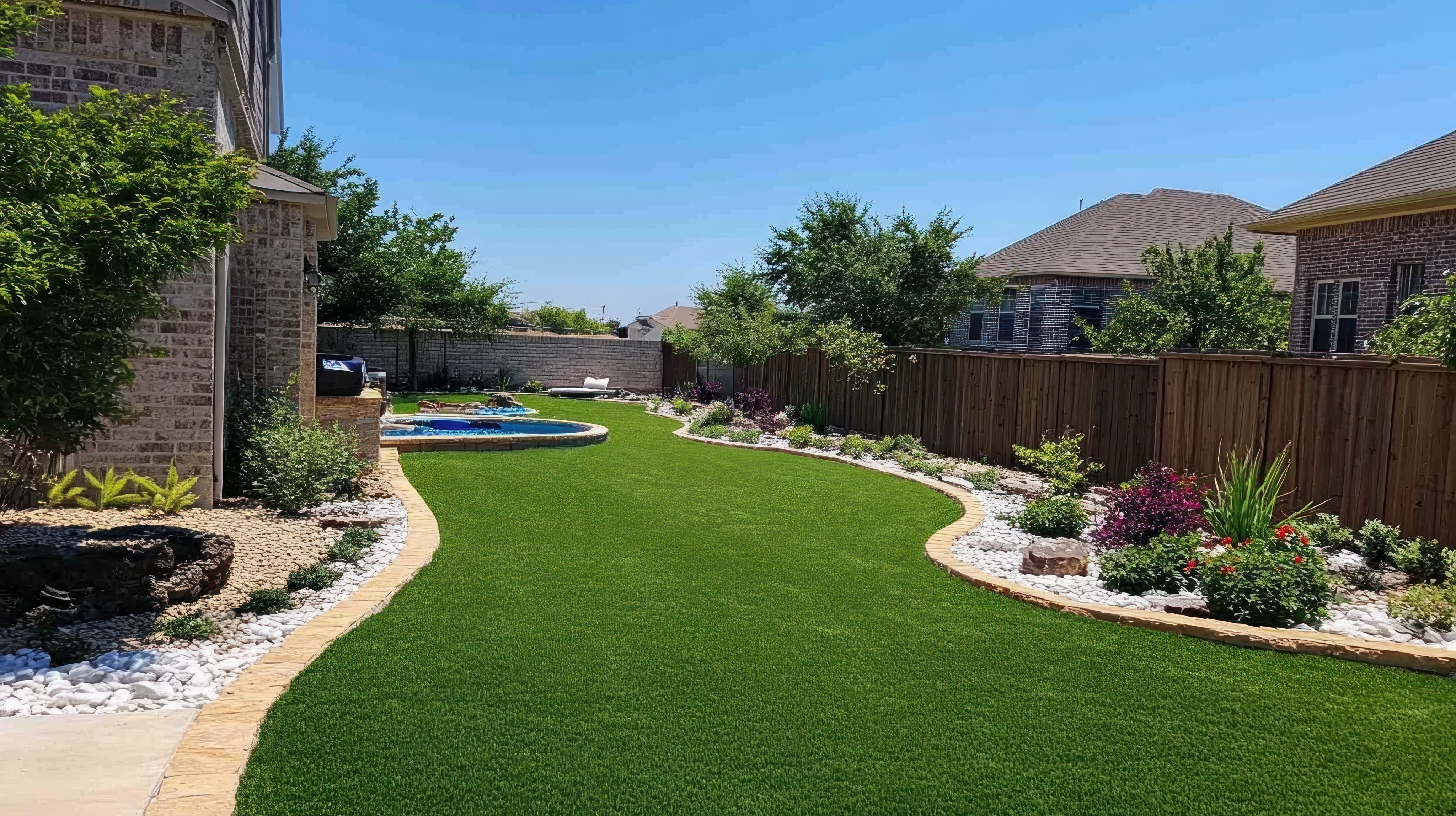
Use turf where you need functional lawn space, and plant native or drought-tolerant plants in beds. Native plants support pollinators and wildlife while using less water.
Plant Trees
Trees provide shade, reduce heat, support wildlife, and help keep turf cooler.
Use Turf Strategically
Instead of covering the entire property, use turf in high-use areas like play zones and pet areas, and landscape the rest naturally.
Choose Infill Thoughtfully
Ask your installer about infill options, including organic or mineral-based infills.
Maintain It Well
Proper care extends turf life, which means less frequent replacement.
Ask About Recycling
When your turf eventually needs replacement, ask about recycling options available in your area.
Plan Good Drainage
Turf that drains well allows rainwater to soak into the ground below rather than running off.
Comparing Turf to a Traditional Lawn in North Texas
A natural lawn isn’t automatically the greener choice in every situation. In DFW, keeping grass green through summer often involves significant water use, fertilizers, herbicides, and gas-powered equipment. On the other hand, natural lawns provide living soil and some habitat value.
The most environmentally balanced approach for many homeowners is a mix: turf where you need durable, usable lawn space, and native plants, trees, and permeable areas elsewhere.
Questions to Ask Yourself
- How much water does my current lawn use?
- Which areas of my yard truly need lawn space?
- Can I add native plants and trees?
- How long will my turf last with proper care?
- Are recycling options available when it’s time to replace?
Frequently Asked Questions
Is artificial turf better for the environment than grass?
It depends on how you weigh water savings and chemical reduction against synthetic materials and disposal. Many homeowners find a combination of turf and native landscaping offers a good balance.
Does turf save water?
Yes. Turf doesn’t need regular irrigation to stay green.
Can artificial turf be recycled?
Recycling options exist but vary by area. Ask your installer.
How can I make my turf yard more eco-friendly?
Use turf strategically, plant native species and trees, and maintain your turf to extend its life.
Make an Informed Choice
Artificial turf offers real environmental benefits in North Texas, particularly water savings and reduced lawn chemicals, along with trade-offs like synthetic materials and disposal. By using turf thoughtfully and combining it with native plants and trees, you can create a yard that’s practical, beautiful, and more sustainable.
Want a Yard That Balances Function, Beauty, and Water Savings?
At Finest Turf, we believe in helping homeowners make informed decisions. We install artificial turf, pavers, and concrete for homeowners across the DFW Metroplex, and we’re happy to talk honestly about where turf makes the most sense for your property. Whether you want turf only in high-use areas like play zones and dog runs, a front yard that balances turf with planted beds, or a backyard that combines turf, hardscape, and room for trees and native plants, we’ll help you design a layout that fits your values and lifestyle.
We’ll discuss turf and infill options, plan good drainage so rainwater can soak into the ground below, and build on a properly graded, compacted base designed for North Texas clay soil. During your final walkthrough, we’ll share care tips that help your turf last longer. You’ll get owner-led service and clear communication from your first consultation onward.
Let’s create a smart, balanced outdoor space together. Book your free consultation with Finest Turf today and start planning a yard that works for you and your community.


