
Our blog

Outdoor Tips, Ideas, and Inspiration From Finest Turf
How Long Does Artificial Turf Really Last? What Affects Turf Lifespan in North Texas
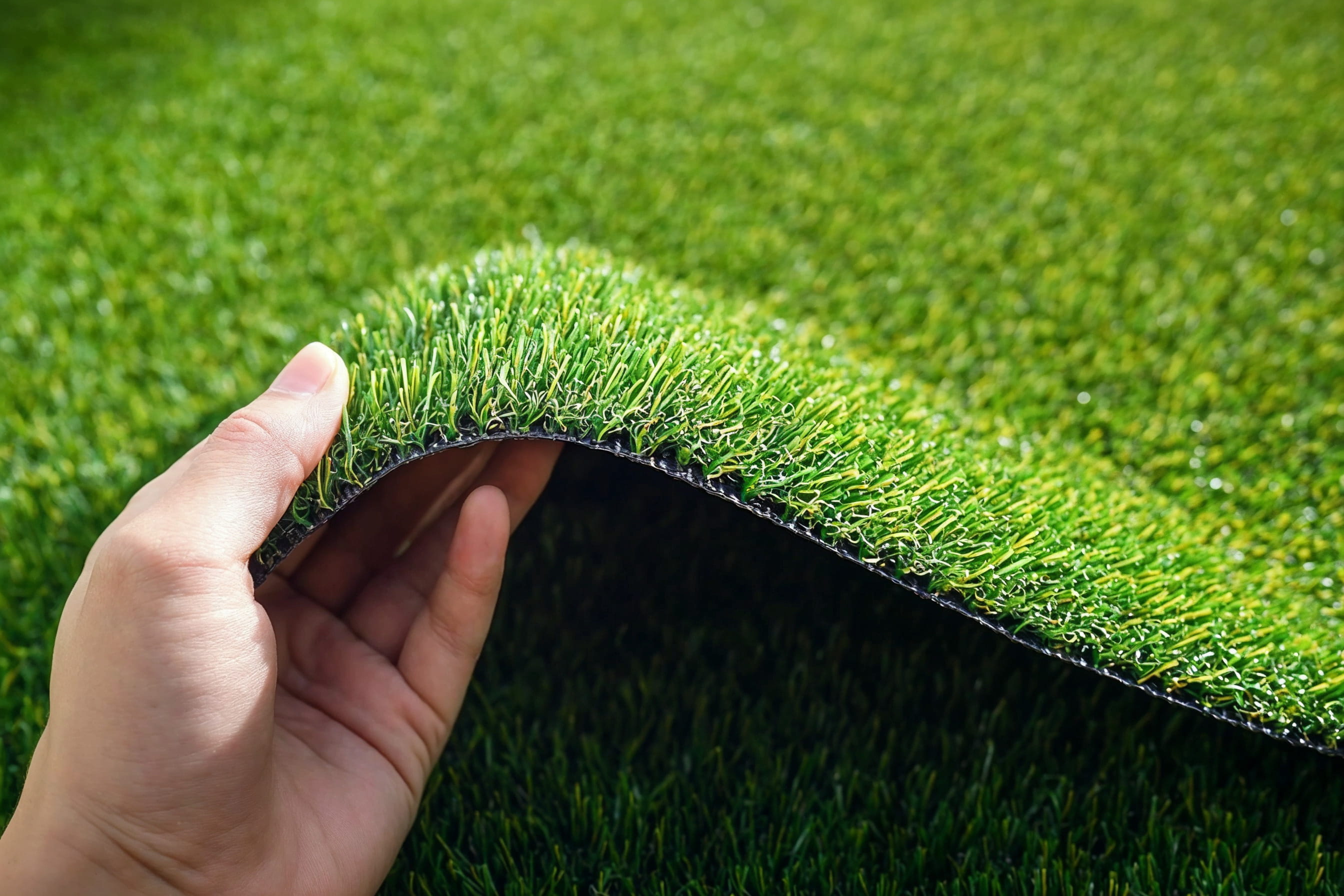
How Long Does Artificial Turf Really Last? What Affects Turf Lifespan in North Texas
Artificial turf is an investment, so it’s natural to wonder how long it will last. Homeowners want to know whether they’re getting a few good years or a long-term solution for their yard. The answer depends on several factors, including the quality of the turf, how it’s installed, how it’s used, and how well it’s maintained.
In this guide, we’ll explain how long artificial turf typically lasts, what affects turf lifespan in the DFW climate, and simple ways to help your turf look great for as long as possible.
How Long Does Artificial Turf Last?
Quality residential artificial turf is designed to last for many years. Many quality products are commonly described as lasting around 10 to 15 years or more with proper installation and care, though actual lifespan varies by product, use, and conditions. A lightly used decorative front yard may age differently than a backyard where two large dogs run every day.
Rather than focusing on a single number, it’s more helpful to understand the factors that shorten or extend turf lifespan.
Factors That Affect Turf Lifespan
1. Turf Quality
Higher-quality turf products are made with more durable fibers and backing designed to withstand wear and sun exposure. Choosing turf suited for your intended use is one of the most important decisions you’ll make.
2. Installation Quality
Even the best turf can fail early if installed poorly. Problems like inadequate base preparation, poor drainage, weak seams, and unsecured edges can lead to wrinkles, dips, pooling, and premature wear. In North Texas, where clay soil shifts with moisture changes, a well-compacted base is especially important.
3. Foot Traffic
Areas with heavy daily use, like play zones and walkways, experience more wear than lightly used areas.
4. Pets
Active dogs running, digging, and using the turf daily put more stress on fibers and require more frequent cleaning.
5. Sun Exposure
Turf in full Texas sun receives more UV exposure than shaded turf. Quality turf is designed with UV resistance, but intense sun still plays a role over time.
6. Infill
Proper infill protects the turf backing and supports fibers. Turf that loses too much infill may wear faster.
7. Maintenance
Regular brushing, debris removal, and rinsing help turf stay in good shape. Neglect can lead to matting, odor issues, and drainage problems.
8. Heat Sources
Grills, fire pits, fireworks, and reflected sunlight from windows can damage turf fibers.
Signs Your Turf Is Aging
- Fibers that stay flat even after brushing
- Noticeable fading in color
- Thinning areas where backing becomes visible
- Seams separating or edges lifting
- Persistent odors in pet areas despite cleaning
- Drainage problems or pooling
Some of these issues can be repaired, while others may signal it’s time to consider replacement in certain sections.
How to Extend the Life of Your Turf
Choose the Right Turf for the Job
Use durable turf in high-traffic and pet areas, and choose appearance-focused turf for decorative spaces.
Invest in Professional Installation
A strong base, proper drainage, clean seams, and secure edges are the foundation of a long-lasting turf lawn.
Brush Regularly
Brushing high-traffic areas keeps fibers upright and helps distribute infill evenly.
Keep It Clean
Remove leaves and debris regularly, and rinse the turf every couple of weeks.
Care for Pet Areas
Pick up waste promptly, rinse often, and use turf-safe enzyme cleaners when needed.
Maintain Infill Levels
Top off infill if you notice fibers lying flat or backing showing.
Protect From Heat
Keep grills and fire pits on hard surfaces away from turf, and address any window reflection issues.
Rotate Furniture
Moving outdoor furniture and play equipment occasionally prevents permanent flattening.
Address Small Issues Early
Loose edges or lifting seams are easier to fix when caught early.
Turf Lifespan Compared to Natural Grass
Natural grass is a living plant that needs constant care. In DFW, many homeowners resod or reseed areas repeatedly due to heat, shade, traffic, and pets. While turf has a lifespan, it often provides many years of consistent appearance without the ongoing cycle of watering, mowing, and repairs that natural lawns require.
Frequently Asked Questions
How long does artificial turf last?
Quality turf with proper installation and care is designed to last many years, often cited around 10 to 15 years or more depending on use and conditions.
Does Texas sun shorten turf life?
Intense sun is a factor, but quality turf is designed with UV resistance.
Do pets reduce turf lifespan?
Active pets add wear, but pet-friendly turf and regular care help it hold up.
Can damaged sections be repaired?
In many cases, yes. Problems like loose seams or small damaged areas can often be addressed.
Built to Last Starts With the Right Install
Artificial turf can provide many years of green, low-maintenance enjoyment. By choosing quality turf, investing in professional installation, and following simple care habits, you’ll get the most out of your turf lawn in the North Texas climate.

Want a Turf Lawn Built to Go the Distance?
Long-lasting turf starts with the right product and the right installation. At Finest Turf, we help homeowners and businesses across the DFW Metroplex choose turf that matches how they’ll use their space, then install it with the care that helps it last. Whether you’re planning a busy family backyard, a pet-friendly dog run, a decorative front yard, a shaded side yard, or a turf and paver design, we’ll recommend turf and infill options built for your needs.
Our installation process focuses on the details that affect lifespan the most: removing old grass and roots, grading for drainage, building a strong, compacted base designed for North Texas clay soil, careful seaming, secure edges, and the right infill. At your final walkthrough, we’ll share simple care tips to help your turf stay looking great for years. You’ll get owner-led service and clear communication from start to finish.
Invest in a lawn that keeps looking good year after year. Book your free consultation with Finest Turf today and let’s build turf that’s made to last.


