
Our blog

Outdoor Tips, Ideas, and Inspiration From Finest Turf
Dog Urine Smell on Artificial Turf? Here’s How to Fix It and Keep It From Coming Back
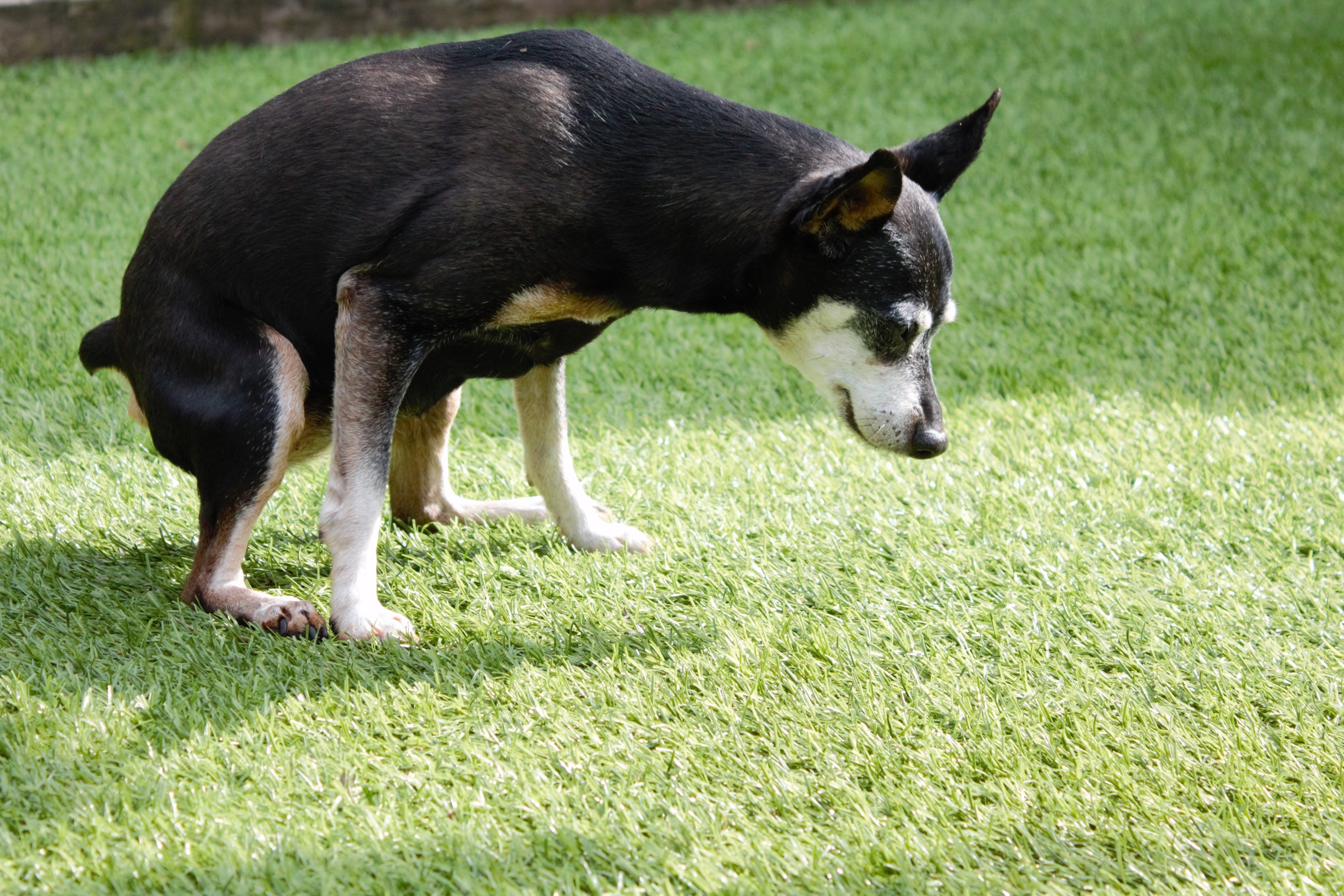
Dog Urine Smell on Artificial Turf? Here’s How to Fix It and Keep It From Coming Back
Artificial turf is a favorite among DFW dog owners. It ends muddy paws, yellow spots, and dug-up holes. But if you’re noticing a lingering urine smell in your yard, especially during hot summer months, you’re not alone. Odor is one of the most common concerns with pet turf.
The good news is that turf odor is manageable. In most cases, a combination of good cleaning habits, the right infill, and proper drainage keeps pet turf smelling fresh. In this guide, we’ll explain what causes dog urine smell on artificial turf, how to clean it, and how to prevent it from coming back.
What Causes Dog Urine Smell on Turf?
Urine Residue Buildup
When dogs urinate on turf, most liquid drains through the turf and into the base below. But some residue can remain on turf fibers, in the infill, or in the base. Over time, this residue builds up and causes odor.
Bacteria
Bacteria break down urine residue and release odor-causing compounds, which become stronger in warm conditions.
Heat
North Texas summers intensify odors. Hot temperatures speed up bacterial activity and make smells more noticeable.
Poor Drainage
If turf or the base below doesn’t drain well, urine can sit and concentrate, making odors worse.
Infill Type
Some infills hold onto odor-causing residue more than others.
Lack of Rinsing
Without regular rinsing, residue accumulates faster.
Multiple Dogs
Several dogs using the same spot means more concentrated residue.
How to Remove Dog Urine Smell From Artificial Turf
Step 1: Pick Up Solid Waste
Always remove solid waste first.
Step 2: Rinse Thoroughly
Use a garden hose to thoroughly flush the affected area. Rinsing helps dilute and push residue down through the turf and base.
Step 3: Apply an Enzyme Cleaner
Enzyme-based cleaners designed for artificial turf break down urine compounds at the source rather than just masking odors. Apply according to the product directions, focusing on the areas your dog uses most.
Step 4: Let It Work
Give the enzyme cleaner time to break down residue, following product instructions.
Step 5: Rinse Again if Directed
Some products recommend a follow-up rinse.
Step 6: Brush the Area
Brushing helps distribute cleaner, lift fibers, and refresh infill.
What to Avoid
- Harsh chemicals: Strong cleaners not made for turf may damage fibers or backing.
- Only masking odors: Fragrance sprays cover smells temporarily but don’t remove the source.
- Ignoring the problem: Odors get harder to manage as residue builds up.
How to Prevent Turf Odor
Rinse Regularly
Make rinsing pet areas part of your routine. During hot DFW summers, rinse more often.
Train a Designated Potty Area
Teaching your dog to use one area of the yard makes cleaning easier and more targeted.
Use Odor-Controlling Infill
Infills like zeolite are designed to help trap and neutralize odors. They work best when rinsed regularly to refresh their effectiveness.
Ensure Proper Drainage
Pet turf should be installed over a well-draining base so liquids move through quickly. If drainage is poor, odor problems can persist no matter how much you clean.
Use Enzyme Cleaner Periodically
Even if you don’t notice odors, periodic enzyme treatments help prevent buildup.
Add a Concrete Relief Pad
Some homeowners add a small concrete pad as a designated relief spot that can be easily hosed down, with turf for the rest of the play area.
Provide Shade
Shaded pet areas stay cooler, which can help reduce odor intensity.
When Odor Signals a Bigger Problem
If odors persist despite regular cleaning, the issue may be:
- Poor drainage in the base
- Base material that holds moisture
- Infill that isn’t suited for pet use
- Compacted soil below without proper drainage
In these cases, a professional inspection can help identify the cause and the best solution.
Seasonal Odor Tips for DFW
Spring: Rinse after storms and refresh pet areas as weather warms.
Summer: Increase rinsing frequency and use enzyme cleaners more often.
Fall: Clear leaves that trap moisture and residue.
Winter: Keep up with waste removal and periodic rinsing.
Frequently Asked Questions
Why does my turf smell like urine?
Residue builds up on fibers, in infill, or in the base, and bacteria release odors, especially in heat.
How often should I rinse pet turf?
Regularly, and more often in summer or with multiple dogs.
What cleaner removes dog urine smell from turf?
Enzyme-based cleaners designed for artificial turf are commonly recommended.
Does infill help with odor?
Yes. Odor-controlling infills like zeolite can help.
Fresh Turf, Happy Pets
Dog urine smell on artificial turf doesn’t have to be a permanent problem. With regular rinsing, enzyme cleaners, the right infill, and proper drainage, your pet turf can stay clean and fresh, even through hot North Texas summers.

Want Pet Turf That’s Built to Stay Fresh?
Fresh-smelling pet turf starts with the right installation. At Finest Turf, we create pet-friendly turf areas for dog owners across the DFW Metroplex with the details that help control odor from day one: a well-draining base designed for North Texas clay soil, proper grading, pet-appropriate turf, and odor-controlling infill options. Whether you need a full backyard for your dogs, a dedicated dog run, a side yard pet path, or a turf area paired with a concrete relief pad for easy rinsing, our team will help you plan a space that’s easy to keep clean.
We’ll talk about your dogs, how they use the yard, and any odor concerns you’ve had in the past, then recommend a solution that fits. At your final walkthrough, we’ll share simple care tips to keep your turf fresh through every season. You’ll get owner-led service and clear communication from your first consultation onward.
Enjoy your yard without the smell. Book your free consultation with Finest Turf today and let’s create pet turf that stays clean and fresh.


