
Our blog

Outdoor Tips, Ideas, and Inspiration From Finest Turf
Concrete or Pavers for Your Walkway? How to Choose the Right Path
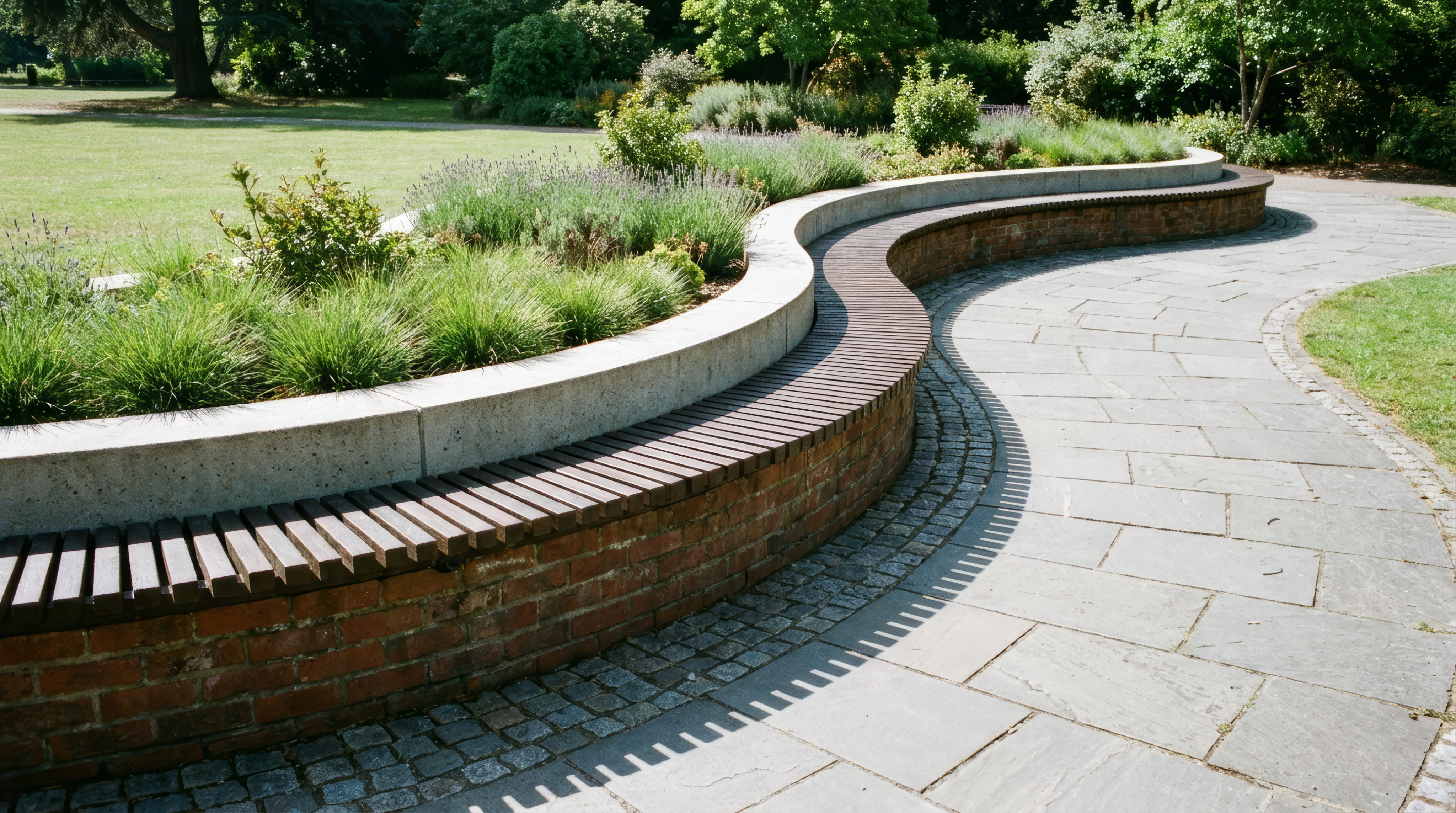
Concrete or Pavers for Your Walkway? How to Choose the Right Path
Walkways are some of the hardest-working features of your property. They guide guests to your front door, connect your patio to the yard, and keep everyone off the mud. When planning a new walkway, most DFW homeowners narrow their choice down to two popular options: concrete or pavers.
Both can create beautiful, durable walkways, but each has distinct strengths. In this guide, we’ll compare concrete vs. paver walkways in terms of appearance, durability, maintenance, repairs, and cost factors, so you can choose the right path for your home.
Concrete Walkways: An Overview
Concrete walkways are poured on-site to create a continuous, solid path.
Strengths:
- Clean, simple, classic look
- Smooth, continuous surface
- Often more budget-friendly
- Easy to sweep and clean
- Works with straight or gently curved layouts
- Good for accessibility with a smooth, even surface
Considerations:
- Cracks can appear over time, especially with soil movement
- Repairs can be more noticeable
- Fewer color and pattern options
Paver Walkways: An Overview
Paver walkways use individual units laid over a compacted base and locked together with joint sand.
Strengths:
- Wide range of colors, shapes, and patterns
- Upscale, custom appearance
- Flexible with ground movement
- Individual pavers can be lifted and reset
- Great for curves and decorative borders
- Pairs well with turf for modern designs
Considerations:
- Often a larger upfront investment
- Joint sand may need occasional refilling
- Weeds can appear in joints without maintenance
Side-by-Side Comparison
Appearance
Concrete: Clean and simple, ideal for modern or understated designs.
Pavers: Decorative and customizable, ideal for adding curb appeal.
Durability
Concrete: Strong and solid, but may crack as soil moves.
Pavers: Durable and flexible, handling minor movement without continuous cracks.
Repairs
Concrete: Repairs can be visible, and larger damage may require section replacement.
Pavers: Sections can often be lifted, re-leveled, and reset with original pavers.
Maintenance
Concrete: Sweeping, occasional washing, optional sealing.
Pavers: Sweeping, occasional cleaning, joint sand upkeep, optional sealing.
Accessibility
Concrete: Very smooth, continuous surface.
Pavers: Smooth when installed with tight joints and level transitions.
Cost Factors
Concrete: Often more budget-friendly for straightforward walkways.
Pavers: Typically a larger upfront investment due to materials and labor.
When Concrete Is the Better Choice
- You want a clean, minimal look
- Your walkway is straightforward and functional
- Budget is a key priority
- You need a smooth surface for wheelchairs, strollers, or carts
When Pavers Are the Better Choice
- You want a decorative walkway that boosts curb appeal
- You want curves, patterns, or borders
- You value easy, less noticeable repairs
- You’re designing a turf and paver look
Combining Concrete and Pavers
You don’t have to choose just one. Popular combinations include:
- Concrete walkway with paver borders for added style
- Paver accents at the entry or where paths meet
- Concrete for side yard utility paths and pavers for the front entry
- Concrete pads in turf for a modern stepping-stone path
Planning Your Walkway
Width
Plan enough width for comfortable walking. Front entry paths often look best wide enough for two people side by side.
Route
Follow the natural path people already take.
Slope and Drainage
Walkways should shed water and direct it away from your home.
Lighting
Path lights add safety and highlight your design.
Base Preparation
North Texas clay soil makes proper excavation and compaction essential for both concrete and pavers.
Frequently Asked Questions
Are paver walkways better than concrete?
It depends on your priorities. Pavers offer design flexibility and easier repairs, while concrete offers simplicity and value.
Which lasts longer?
Both can last many years with proper installation. Pavers are easier to repair in sections.
Can I add pavers to an existing concrete walkway?
Paver borders or extensions can sometimes be added. A consultation can help determine options.
Which is better for accessibility?
Concrete offers a very smooth surface, while well-installed pavers can also work well.
The Right Path for Your Home
Concrete and paver walkways both offer durable, attractive solutions. Concrete delivers clean simplicity and value, while pavers bring style and easy repairs. By considering your home’s style, budget, and how the walkway will be used, you can choose the path that fits best.

Ready to Build a Walkway That Welcomes Everyone Home?
At Finest Turf, we build both concrete and paver walkways for homeowners across the DFW Metroplex, so we can help you choose the option that truly fits your home. Whether you want a clean concrete path to your front door, a decorative paver walkway with a contrasting border, a side yard route for trash bins and equipment, a backyard path connecting your patio and gate, or a modern design with concrete pads or pavers set in artificial turf, our team will help you plan it.
We’ll walk your property, talk through how people move around your home, and recommend materials, width, and layout that make sense. Every walkway is built with proper excavation, a well-compacted base designed for North Texas clay soil, correct slope for drainage, and clean finishing. You’ll get owner-led service and clear communication from your first consultation through the final walkthrough.
Create a path that makes every arrival better. Schedule your free consultation with Finest Turf today and let’s design your new walkway.


