
Our blog

Outdoor Tips, Ideas, and Inspiration From Finest Turf
Burns, Seams, and Pet Damage: How Artificial Turf Repair Works
Burns, Seams, and Pet Damage: How Artificial Turf Repair Works
Artificial turf is built to be durable, but it isn’t indestructible. A dropped charcoal briquette, an over-enthusiastic digger, a lifted seam, or a spot that just won’t drain can leave your otherwise beautiful lawn with a noticeable problem. The good news is that many common turf issues can be repaired without replacing your entire lawn.
In this guide, we’ll walk through common types of artificial turf damage, how repairs typically work, how to prevent damage, and when replacement might make more sense.
Common Types of Artificial Turf Damage
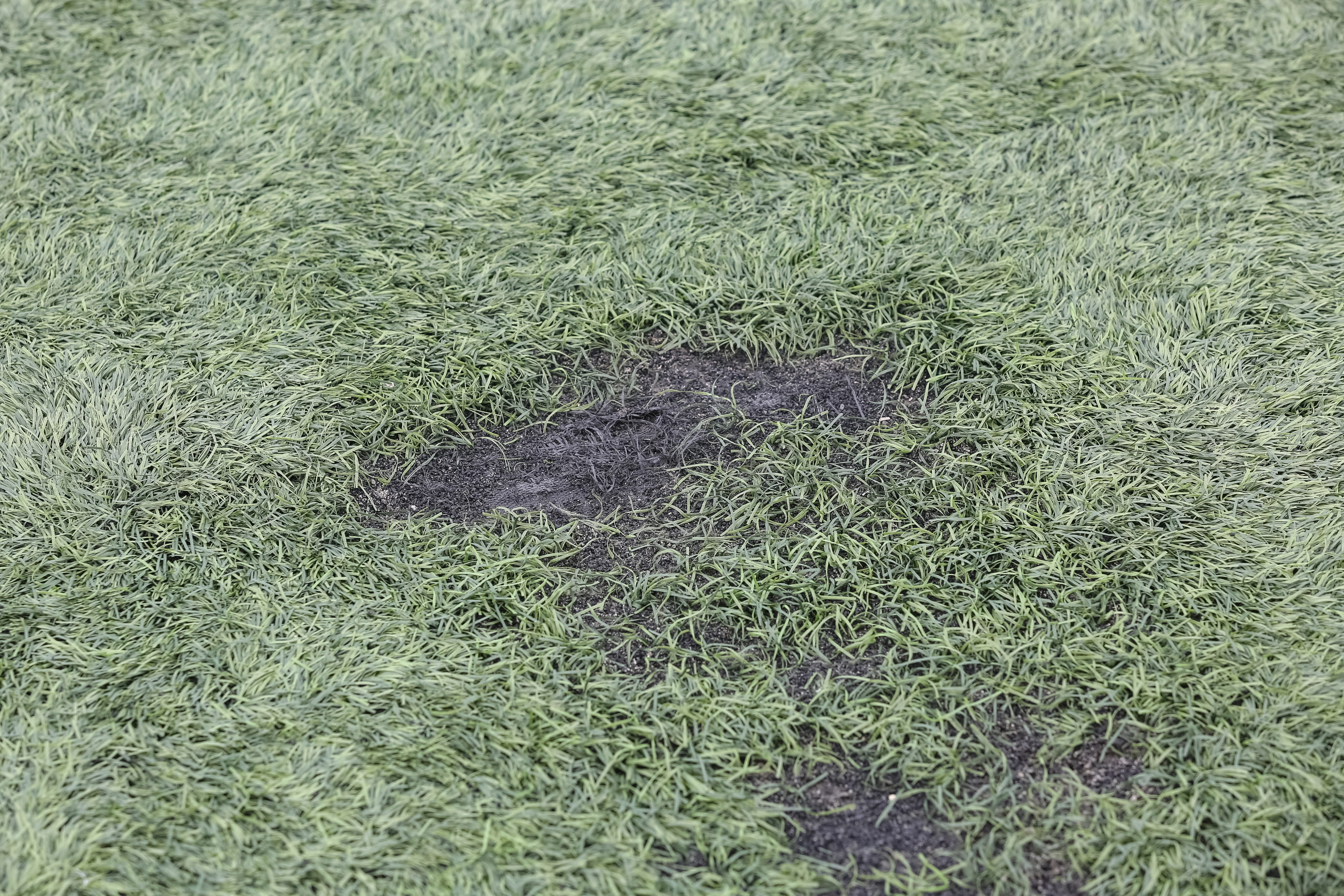
Burn Marks
Turf fibers can melt when exposed to high heat. Common causes include:
- Grill embers or hot charcoal
- Fire pits placed too close to turf
- Fireworks
- Cigarettes
- Reflected sunlight from certain windows
Separated or Lifted Seams
Seams can separate due to poor original seaming, heavy use, or base movement.
Loose or Lifting Edges
Edges along fences, beds, or hardscape may lift if they weren’t secured properly or if pets dig at them.
Pet Damage
Dogs may dig at edges or chew turf, especially when young or bored.
Flattened or Matted Areas
Heavy furniture, high traffic, or low infill levels can leave turf flattened.
Stains
Spills, oil, or other substances can stain turf fibers.
Drainage Problems
Pooling water or soggy spots usually point to base or grading issues.
Wrinkles
Wrinkles may develop from improper stretching or base movement.
How Common Turf Repairs Work
Repairing Burn Marks
Small burned areas can often be cut out and replaced with a patch of matching turf. The patch is seamed into place with blade direction matched to the surrounding turf. When done carefully, patches can blend in well.
Fixing Separated Seams
Lifted seams can often be re-secured by pulling back the turf, cleaning the area, and re-joining the seam.
Securing Loose Edges
Loose edges can be re-secured to borders. If pets keep digging at edges, additional reinforcement or a hardscape border may help.
Restoring Flattened Turf
Brushing against the grain and topping off infill often revives flattened areas.
Treating Stains
Many stains can be cleaned with mild soap and water or cleaners safe for artificial turf. Avoid harsh solvents.
Correcting Drainage Issues
Drainage problems typically require pulling back the turf to correct the base or grading underneath, then reinstalling.
Removing Wrinkles
Wrinkles may require re-stretching and re-securing turf. If caused by base issues, the base may need correction.
DIY vs. Professional Repair
Simple DIY tasks:
- Brushing flattened areas
- Cleaning stains
- Topping off infill
- Pulling weeds
Best left to professionals:
- Patching burns
- Re-seaming
- Fixing base or drainage problems
- Re-stretching wrinkled turf
Professional repairs help ensure patches blend in and the repair holds up.
When Replacement Makes More Sense
Repairs work well for localized damage, but replacement may be better when:
- Large areas are damaged
- The turf is near the end of its lifespan
- Base and drainage problems are widespread
- Multiple seams are failing
- The original installation was poor throughout
Preventing Turf Damage
Keep Heat Away
Place grills and fire pits on pavers or concrete with plenty of spacing from turf.
Address Window Reflections
If you notice unusual damage near windows, screens or window films may help.
Supervise Pets
Provide toys and attention to discourage digging and chewing.
Secure Edges Properly
Strong edges and hardscape borders help prevent lifting.
Rotate Furniture
Move heavy items occasionally to prevent flattening.
Maintain Infill
Keep infill levels balanced to support fibers.
Invest in Quality Installation
Proper base work, seaming, and edging prevent many problems.
Frequently Asked Questions
Can burned artificial turf be repaired?
Often, yes. Damaged sections can be cut out and patched with matching turf.
Will a turf patch be noticeable?
With matching turf and correct blade direction, patches can blend in well.
Why are my turf seams separating?
Seam failure often results from poor original seaming or base movement.
Can turf with drainage problems be fixed?
Usually, by correcting the base or grading underneath and reinstalling the turf.
A Little Repair Goes a Long Way
Artificial turf damage doesn’t always mean starting over. Many issues, from burns to lifted seams, can be repaired so your lawn looks great again. And with smart prevention habits and quality installation, you can avoid many problems in the first place.

Dealing With Turf Problems or Planning a New Installation?
If your current turf has burn marks, lifting seams, loose edges, or drainage issues, Finest Turf can take a look and help you understand your options. We work with homeowners and businesses across the DFW Metroplex, and we’ll give you honest guidance on whether your situation calls for a localized fix, a correction to the base underneath, or a fresh installation done right. And if you’re planning new turf, we’ll build it with the details that help prevent these problems from the start.
Our installations include thorough grass removal, proper grading, a strong, compacted base designed for North Texas clay soil, careful seaming with consistent blade direction, secure edges, and the right infill. We can also add paver or concrete pads for grills and fire pits so heat stays safely away from your turf. You’ll get owner-led service and clear communication from your first consultation through the final walkthrough.
Get your yard looking its best again. Book your free consultation with Finest Turf today and let’s talk about the right solution for your turf.


