
Our blog

Outdoor Tips, Ideas, and Inspiration From Finest Turf
Building the Foundation for an Outdoor Kitchen: How to Plan the Perfect Patio
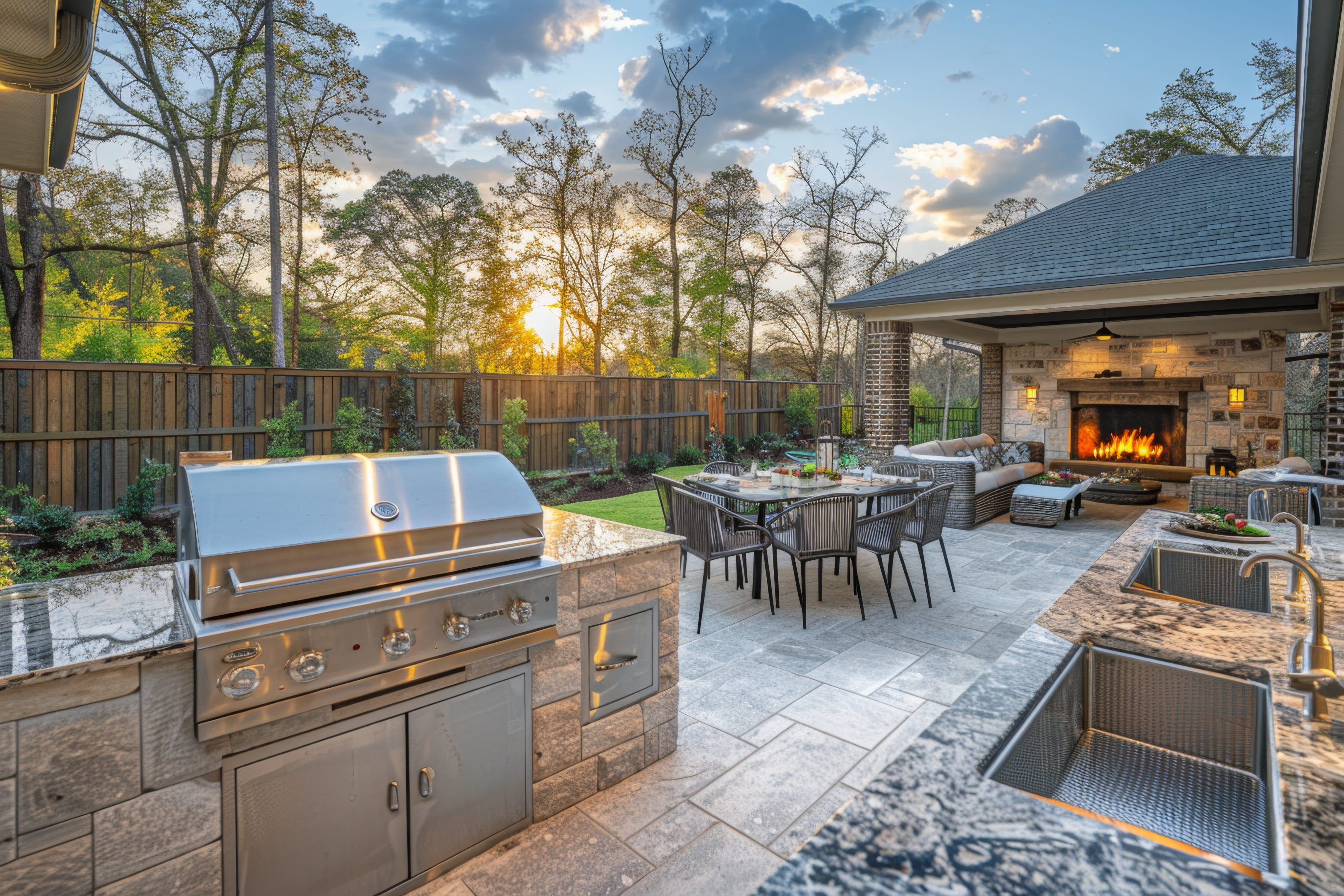
Building the Foundation for an Outdoor Kitchen: How to Plan the Perfect Patio
Outdoor kitchens are one of the most sought-after backyard features in the Dallas-Fort Worth area. With long grilling seasons and a culture that loves backyard barbecues, it’s no surprise that homeowners want a dedicated space to cook, gather, and entertain outdoors.
But before you choose a grill, countertops, or a pizza oven, there’s one critical element to plan first: the patio underneath. Your outdoor kitchen is only as good as the foundation it sits on. In this guide, we’ll walk through how to plan a patio for an outdoor kitchen, including size, slab strength, layout, materials, and drainage.
Why the Patio Matters
An outdoor kitchen adds significant weight, especially with built-in counters, stone, appliances, and islands. The patio needs to support that weight without cracking, settling, or shifting. It also needs to provide enough space for cooking, serving, and gathering comfortably.
In North Texas, where clay soil expands and contracts, proper preparation is especially important.
Planning Your Outdoor Kitchen Patio
1. Determine the Kitchen Size and Layout
Start by deciding what your outdoor kitchen will include:
- Grill or smoker
- Counters and prep space
- Sink
- Refrigerator
- Pizza oven
- Bar seating
- Storage
Common layouts include straight-line, L-shaped, U-shaped, and island designs. Your kitchen layout determines how much patio space you’ll need.
2. Plan Space Around the Kitchen
Don’t just plan for the kitchen footprint. Allow room for:
- The cook to move comfortably
- Guests to gather near the bar
- A dining table and chairs
- Walkways that don’t pass directly through the cooking area
A common mistake is building a patio that fits the kitchen but leaves no room for people.
3. Consider Slab Strength
Outdoor kitchens can be heavy. A patio supporting a built-in kitchen may need additional thickness or reinforcement compared to a standard patio. Discuss your kitchen plans with your installer before the patio is built so it’s designed for the load.
4. Plan Utilities Early
Outdoor kitchens often need gas, electrical, and water lines. These may need to be planned before or during patio construction. Coordinate with licensed professionals and your outdoor kitchen builder so utilities are routed correctly.
5. Think About Location
- Proximity to the house: Closer to the indoor kitchen makes carrying food easier.
- Wind direction: Position grills so smoke doesn’t drift into the house or seating areas.
- Sun and shade: Consider afternoon sun and whether you’ll add a pergola or cover.
- Distance from turf: Keep grills and heat sources a safe distance from artificial turf.
6. Plan for Drainage
The patio should slope slightly so rain and cleaning water drain away from the house and the kitchen. If your kitchen includes a sink, plan where that water will go.
Concrete vs. Pavers for Outdoor Kitchens
Concrete
Pros:
- Solid, continuous surface ideal for supporting built-in structures
- Clean, modern look
- Easy to sweep and clean
Considerations:
- Grease stains should be cleaned promptly
- Cracks can be more noticeable than with pavers
Pavers
Pros:
- Stylish, custom appearance
- Wide variety of colors and patterns
- Individual pavers can be replaced if stained or damaged
Considerations:
- Heavy built-in structures may require special preparation
- Joint sand needs maintenance
Combining Both
Many homeowners use a concrete pad beneath the kitchen structure for strength and pavers for the surrounding dining and gathering area. This combines durability with design flexibility.
Adding Turf to Your Outdoor Kitchen Area
Artificial turf can create a beautiful green space next to your outdoor kitchen patio for kids, games, and lounging. Keep turf a safe distance from grills, smokers, and pizza ovens, and use the patio as a buffer zone.
Protecting Your Outdoor Kitchen Patio
- Use grill mats to reduce grease stains
- Clean spills promptly
- Consider sealing pavers or concrete if recommended
- Sweep regularly to remove food debris
- Keep drainage areas clear
Phasing Your Outdoor Kitchen Project
If you’re not ready to build the full kitchen now, you can still plan ahead:
Phase 1: Build a patio sized and reinforced for a future kitchen, with utilities planned
Phase 2: Add the outdoor kitchen structure and appliances
Phase 3: Add shade, lighting, and turf
Planning the patio for future use avoids costly changes later.
Frequently Asked Questions
How big should a patio be for an outdoor kitchen?
It depends on your kitchen layout and how many people you want to accommodate. Plan for the kitchen plus dining and gathering space.
Do I need a thicker slab for an outdoor kitchen?
Heavy built-in kitchens may require added thickness or reinforcement. Discuss your plans with your installer.
Are pavers or concrete better for outdoor kitchens?
Both work well. Many homeowners use concrete under the kitchen and pavers around it.
Can I build the patio now and add the kitchen later?
Yes. Planning the patio for future use is a smart approach.
Start With a Strong Foundation
An outdoor kitchen can transform how you use your backyard, but it all starts with the patio underneath. By planning the right size, strength, layout, and drainage, you’ll create a foundation that supports years of backyard cooking and gatherings.
Planning an Outdoor Kitchen? Let’s Build the Patio It Deserves.
Your outdoor kitchen should sit on a patio that’s strong, spacious, and built for the long haul. At Finest Turf, we build concrete and paver patios for homeowners across the DFW Metroplex who want outdoor spaces made for cooking, dining, and entertaining. Whether you need a reinforced concrete pad for a built-in kitchen island, a paver dining area around your grill station, a patio sized for a future kitchen, or a complete backyard that blends patio space with clean green artificial turf, our team will help you plan the foundation first.
We’ll talk through your kitchen layout, how many people you like to host, and any future plans, then design a patio with the right size, slope, and preparation. Every patio is built with careful site prep and a strong, compacted base designed for North Texas clay soil, and we’ll coordinate with your plans so utilities and future features fit. You’ll get owner-led service and clear communication from your first consultation through the final walkthrough.
Build the backyard gathering space you’ve been dreaming of. Schedule your free consultation with Finest Turf today and let’s plan the perfect patio for your outdoor kitchen.


