
Our blog

Outdoor Tips, Ideas, and Inspiration From Finest Turf
Artificial Turf vs. Natural Grass in North Texas: Which Lawn Is Right for Your Home?
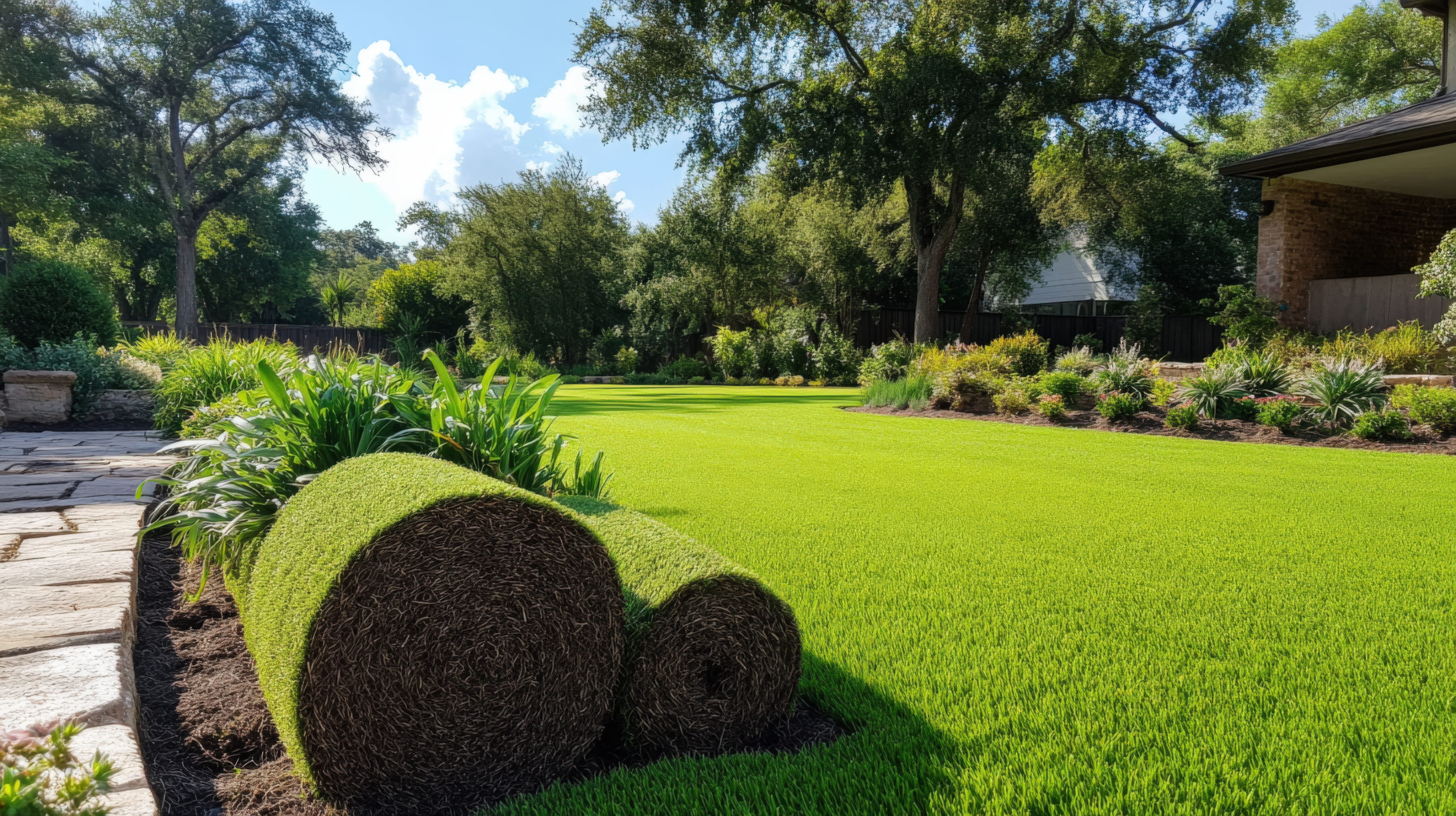
Artificial Turf vs. Natural Grass in North Texas: Which Lawn Is Right for Your Home?
Every spring, DFW homeowners face the same question: is it worth fighting for a natural lawn one more year, or is it time to make the switch to artificial turf? Between scorching summers, watering restrictions, clay soil, and the time it takes to keep grass looking good, more families across North Texas are seriously considering artificial turf.
But artificial turf vs. natural grass isn’t a one-size-fits-all decision. Each option has its own strengths, and the right choice depends on your property, your lifestyle, and how you use your outdoor space. In this guide, we’ll compare artificial turf and natural grass side by side so you can make the best decision for your home.
The Challenges of Growing Grass in DFW
Before comparing the two, it helps to understand why lawns in North Texas are so hard to maintain.
Extreme summer heat. Long stretches of triple-digit temperatures stress grass and often push it into dormancy, turning lawns brown by midsummer.
Water restrictions. Many DFW cities limit outdoor watering, especially during dry periods, which makes keeping grass green even harder.
Clay soil. North Texas clay holds water after heavy rain and becomes hard and cracked during droughts. Neither condition is ideal for healthy roots.
Shade problems. Warm-season grasses common in DFW often struggle in shaded areas under trees or along the side of the house.
Heavy use. Kids, pets, and foot traffic wear down grass quickly, leaving bare patches that are slow to recover.
These conditions are why the artificial turf vs. natural grass debate is so common in North Texas.
Artificial Turf vs. Natural Grass: Side-by-Side Comparison
Appearance
Natural grass: A healthy, well-kept lawn looks beautiful in spring and early summer. However, many DFW lawns turn brown during peak summer heat and go dormant in winter, so the appearance changes throughout the year.
Artificial turf: Artificial turf stays green year-round. It looks the same in January as it does in August, giving your property consistent curb appeal in every season.
Maintenance
Natural grass: Grass needs regular mowing, edging, fertilizing, weed control, aeration, and reseeding. During the growing season, mowing alone can take up a good part of your weekend.
Artificial turf: Artificial turf needs occasional rinsing, brushing, and debris removal. There’s no mowing, fertilizing, or reseeding.
Water Use
Natural grass: Keeping grass green through a Texas summer takes a significant amount of water, and restrictions can make it difficult to water as much as the lawn needs.
Artificial turf: Artificial turf doesn’t need regular watering to stay green. You may rinse it occasionally, especially in pet areas, but overall outdoor water use drops considerably.
Durability
Natural grass: High-traffic areas, dog paths, and play zones often wear down to dirt and mud.
Artificial turf: Artificial turf is built to handle foot traffic, play, and pets without developing bare spots or mud.
Problem Areas
Natural grass: Shade, slopes, narrow side yards, and compacted soil can make it nearly impossible to grow healthy grass.
Artificial turf: Turf works in shaded spots, side yards, and other difficult areas where grass won’t grow.
Heat
Natural grass: Grass stays relatively cool to the touch, even on hot days.
Artificial turf: Turf can get warm in direct summer sun. Shade structures, trees, and a quick rinse with water can help keep the surface more comfortable.
Environmental Feel
Natural grass: Some homeowners love the smell and feel of real grass and enjoy gardening and lawn care as a hobby.
Artificial turf: Turf trades the hands-on lawn care experience for convenience and a consistent look.
Upfront Investment vs. Ongoing Costs
Natural grass: Grass is generally cheaper to start, but costs add up over time with water, fertilizer, equipment, lawn services, and repairs.
Artificial turf: Artificial turf requires a bigger upfront investment for installation, but many homeowners find the reduced water use and maintenance make it worthwhile over the long run.
When Artificial Turf Makes the Most Sense
Artificial turf is often the better choice for DFW homeowners who:
- Are tired of spending weekends mowing and maintaining a lawn
- Have dogs that wear down grass or leave yellow spots
- Want to reduce outdoor water use
- Have shady areas or side yards where grass won’t grow
- Want a yard that looks green and finished all year
- Have kids who play outside often and need a clean surface
- Want a modern backyard design with turf and pavers
When Natural Grass Might Be a Better Fit
Natural grass may still be the right option if you:
- Enjoy lawn care and gardening as a hobby
- Have a large property where turfing the entire area isn’t practical
- Prefer the natural feel and cooler surface temperature of real grass
- Don’t mind seasonal changes in appearance
The Best of Both Worlds: Partial Turf Solutions
You don’t have to choose all or nothing. Many DFW homeowners combine artificial turf with natural landscaping to get the benefits of both. Some popular approaches include:
Turfing the backyard only. Keep natural grass in the front yard and install artificial turf in the backyard where kids and pets play.
Fixing problem areas. Use turf in side yards, shaded spots, and worn areas while keeping grass where it grows well.
Creating a pet area. Install a dedicated pet-friendly turf zone so the rest of the lawn stays healthy.
Combining turf with hardscape. Pair artificial turf with concrete or paver patios and walkways for a clean, modern layout that needs less upkeep overall.
Questions to Ask Yourself Before Deciding
When weighing artificial turf vs. natural grass, ask yourself:
- How much time do I want to spend maintaining my yard?
- How do my family and pets use the space?
- Are there areas where grass just won’t grow?
- How important is a green yard in every season?
- Am I looking for a long-term solution or a short-term fix?
Your answers will help point you toward the right choice.
Why Professional Installation Matters
If you decide artificial turf is right for your home, professional installation makes all the difference. In North Texas, the clay soil moves as it gets wet and dries out, so a properly compacted base is key to keeping turf level and draining well. Correct grading, weed barriers, secure edges, clean seams, and the right infill all play a role in how your turf looks and performs over time.
Frequently Asked Questions
Does artificial turf look fake?
Modern artificial turf is designed to look like real, healthy grass, and a quality installation helps it blend naturally into your landscape.
Is artificial turf good for families with kids?
Yes. It provides a clean, soft play surface without mud or bare spots.
Can I install turf in just one part of my yard?
Absolutely. Many homeowners turf only the backyard, side yard, or pet area.
Will turf work in shaded areas?
Yes. Turf is a great solution for shaded spots where natural grass struggles.
Making the Right Choice for Your Yard
The artificial turf vs. natural grass debate comes down to your priorities. If you love lawn care and don’t mind the seasonal ups and downs, natural grass may still work for you. But if you want a green, low-maintenance yard that holds up to North Texas weather, kids, and pets, artificial turf is one of the smartest upgrades you can make.
Not Sure Whether Turf or Grass Is Right for You? Let’s Figure It Out Together.
Choosing between artificial turf and natural grass is a big decision, and you deserve honest guidance from a team that understands DFW yards. At Finest Turf, we don’t push one-size-fits-all answers. We take the time to walk through your property, understand how you and your family use your outdoor space, and talk through what’s been working and what hasn’t. Whether you’re thinking about a full lawn replacement, turfing just the backyard, fixing a shady side yard, or creating a pet-friendly area, we’ll help you weigh your options so you can feel confident in your decision.
If artificial turf is the right fit, our team handles everything from removing your old grass to building a strong, well-drained base designed for North Texas clay soil, laying and seaming the turf, and finishing it with care. And if you want to take your yard even further, we can bring in concrete or paver work to create a complete outdoor space that looks great and works for everyday living. You’ll get clear communication every step of the way, from your first consultation to the final walkthrough.

Stop guessing and start planning the yard you actually want. Schedule your free consultation with Finest Turf today and let’s find the best solution for your home, your family, and your lifestyle.


