
Our blog

Outdoor Tips, Ideas, and Inspiration From Finest Turf
Artificial Turf or Xeriscaping? Choosing the Right Low-Water Yard for North Texas
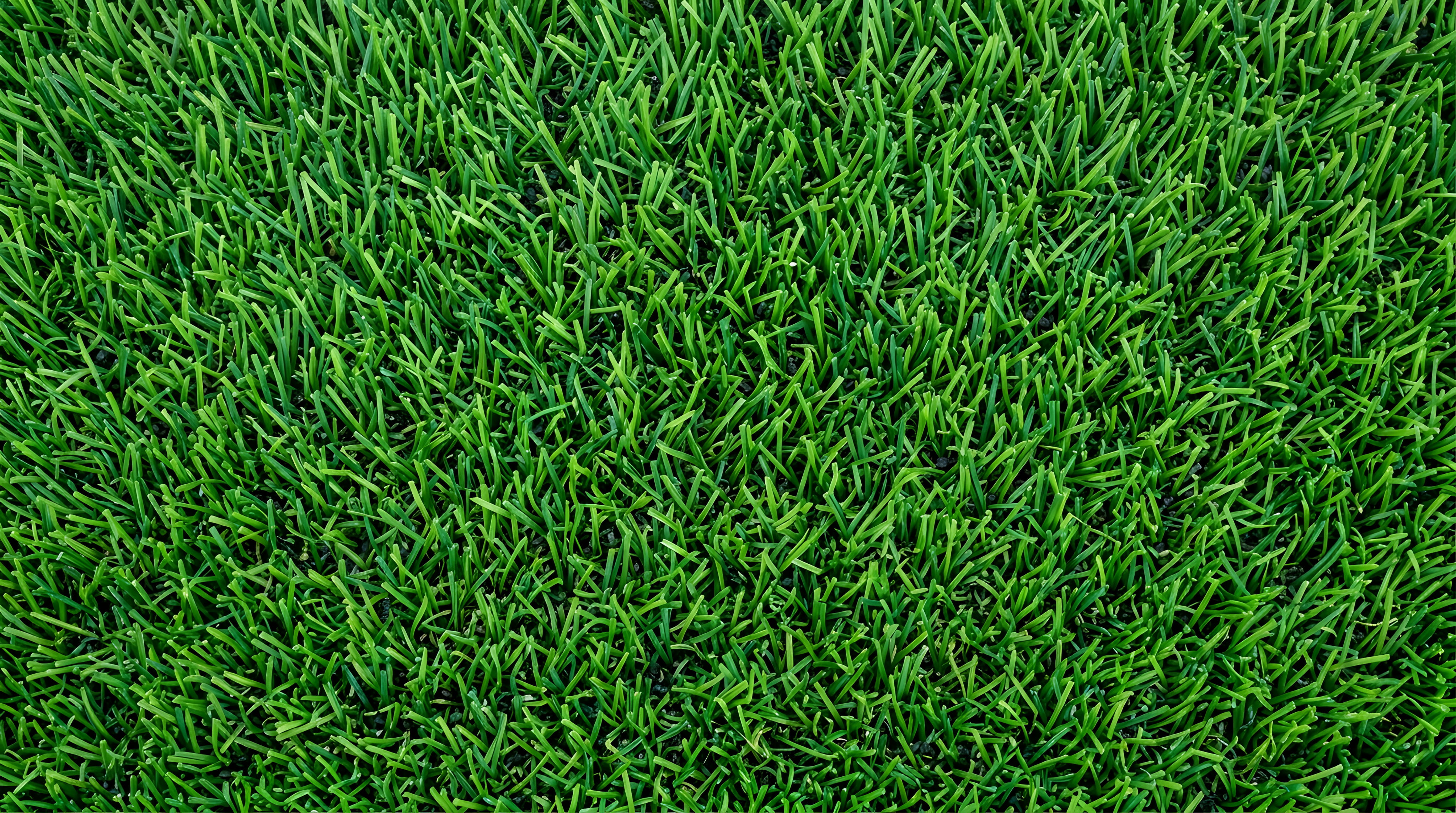
Artificial Turf or Xeriscaping? Choosing the Right Low-Water Yard for North Texas
As summers in the Dallas-Fort Worth area get longer and watering restrictions become more common, many homeowners are rethinking the traditional grass lawn. Two of the most popular alternatives are artificial turf and xeriscaping. Both reduce water use and lawn maintenance, but they create very different yards.
If you’re trying to decide between artificial turf vs. xeriscaping, it helps to understand what each option offers, how they look, and how they fit your lifestyle. In this guide, we’ll compare the two side by side and explain how many DFW homeowners combine them for the best of both worlds.
What Is Xeriscaping?
Xeriscaping is a landscaping approach focused on reducing water use. Instead of a grass lawn, xeriscaped yards typically use:
- Drought-tolerant native or adapted plants
- Rock, gravel, or decomposed granite
- Mulched planting beds
- Efficient drip irrigation
- Hardscape features like pathways and patios
When done well, xeriscaping can look natural and attractive while using far less water than a traditional lawn.
What Is Artificial Turf?
Artificial turf replaces natural grass with a synthetic surface that looks like a green lawn. Installed over a properly prepared base, it stays green year-round without mowing or regular watering. Turf gives you the look and function of a lawn without the high water demand.
Artificial Turf vs. Xeriscaping: Side-by-Side Comparison
Appearance
Xeriscaping creates a natural, textured landscape with plants, rocks, and mulch. Its look changes with the seasons as plants bloom, grow, and go dormant.
Artificial turf gives you the classic look of a green lawn every day of the year.
Usable Space
Xeriscaping is often more decorative. Gravel and plant beds aren’t ideal for running, playing, or lounging.
Artificial turf provides open, soft green space for kids, pets, games, and relaxing.
Water Use
Xeriscaping greatly reduces water use, though plants may still need some irrigation while getting established and during extreme heat.
Artificial turf doesn’t need watering to stay green. Occasional rinsing is mainly for cleaning or cooling.
Maintenance
Xeriscaping still requires some care, including pruning, weeding, replacing mulch, and occasionally replanting.
Artificial turf needs blowing debris, rinsing, and brushing high-traffic areas.
Pets
Xeriscaping with gravel or rocks may not be comfortable for dogs, and plant beds can get trampled.
Artificial turf with proper drainage creates a clean, durable pet area.
Kids
Xeriscaping generally offers less room for active play.
Artificial turf gives children a soft, mud-free place to play.
Heat
Xeriscaping with rock and gravel can absorb and reflect heat.
Artificial turf can also get warm in direct sun. Shade and rinsing help.
Wildlife and Pollinators
Xeriscaping with native plants can attract butterflies, bees, and birds.
Artificial turf doesn’t provide habitat on its own, which is why many homeowners pair it with planting beds.
When Artificial Turf Is the Better Choice
- You want usable lawn space for kids or pets
- You love the look of a green lawn
- You entertain outside and need open space
- You want a clean, consistent yard in every season
- Your yard has shade, slopes, or high-traffic areas where grass fails
When Xeriscaping Is the Better Choice
- You prefer a natural, garden-style landscape
- You don’t need open lawn space
- You enjoy gardening and plant care
- You want to support pollinators and wildlife
The Best of Both Worlds: Combining Turf and Xeriscaping
Many DFW homeowners don’t choose one or the other. They combine them.
Turf for function, plants for beauty. Use artificial turf in areas where you play, relax, or let pets run, and xeriscape beds along fences, around trees, and near the house.
Front yard balance. A turf lawn bordered by drought-tolerant planting beds creates curb appeal with low water use.
Hardscape connections. Paver and concrete walkways and patios tie turf and xeriscaped areas together.
Shade and plants. Trees and larger plants in xeriscape beds can provide shade that helps keep nearby turf cooler.
This combination gives you usable green space, natural beauty, and significant water savings.
Planning a Low-Water Yard in DFW
Identify How You Use Each Area
Where do kids play? Where do dogs run? Where do you sit and relax? Those areas often work best as turf. Decorative areas are great for xeriscaping.
Plan for Drainage
DFW storms can be heavy. Turf areas need proper grading and base preparation, and planting beds should allow water to flow without washing out mulch or gravel.
Adjust Irrigation
When converting lawn to turf, sprinkler heads in turf areas can typically be capped while drip irrigation serves planting beds.
Check HOA Guidelines
Many neighborhoods have landscaping guidelines. Review them before planning.
Frequently Asked Questions
Which saves more water, turf or xeriscaping?
Both greatly reduce water use. Turf doesn’t need regular watering, while xeriscape plants may need some irrigation.
Can I combine turf with drought-tolerant plants?
Yes. This is one of the most popular approaches in DFW.
Is xeriscaping good for dogs?
Gravel and plant beds may not be ideal for active dogs. Pet-friendly turf often works better for play areas.
Does turf work in front yards with planting beds?
Absolutely. Turf with landscaped borders creates great curb appeal.
Choose the Yard That Fits Your Life
Artificial turf and xeriscaping both offer smart ways to save water and reduce yard work in North Texas. Turf gives you usable green space, while xeriscaping adds natural texture and beauty. For many homeowners, combining them creates the perfect balance.

Ready to Create a Low-Water Yard That Still Feels Like Home?
You don’t have to give up a green, usable yard to save water. At Finest Turf, we help homeowners across the DFW Metroplex create beautiful, water-smart outdoor spaces with artificial turf, pavers, and concrete that work alongside drought-tolerant landscaping. Whether you want a turf lawn for the kids and dogs, a front yard that balances green turf with planted borders, paver or concrete walkways that connect turf and garden areas, or a complete backyard redesign built for North Texas summers, our team will help you plan a layout that fits how you live.
We start by understanding which areas you use most and how you want your yard to look, then design turf and hardscape zones that complement your plants and save water. Every turf installation is built on a properly graded, compacted base designed for clay soil, with clean edges where turf meets beds and walkways. You’ll get owner-led service and clear communication from your first consultation through the final walkthrough.
Enjoy a green yard with a lot less watering. Schedule your free consultation with Finest Turf today and let’s design a low-water yard you’ll love.


