
Our blog

Outdoor Tips, Ideas, and Inspiration From Finest Turf
Artificial Turf and Your Foundation: What DFW Homeowners Should Know About Clay Soil and Moisture
Artificial Turf and Your Foundation: What DFW Homeowners Should Know About Clay Soil and Moisture
In the Dallas-Fort Worth area, foundation concerns are a part of homeownership. The region’s expansive clay soil swells when wet and shrinks when dry, and that movement can affect slab foundations over time. Many homeowners have heard advice about watering their foundations during droughts or keeping moisture levels consistent around the house.
So when homeowners consider artificial turf, a natural question comes up: “Will artificial turf affect my foundation?” In this guide, we’ll explain how clay soil and moisture relate to foundations, how turf installation interacts with those factors, and how to plan a turf project with your foundation in mind.
Note: This article provides general information only. For specific concerns about your home’s foundation, consult a qualified foundation professional.
Understanding DFW Clay Soil
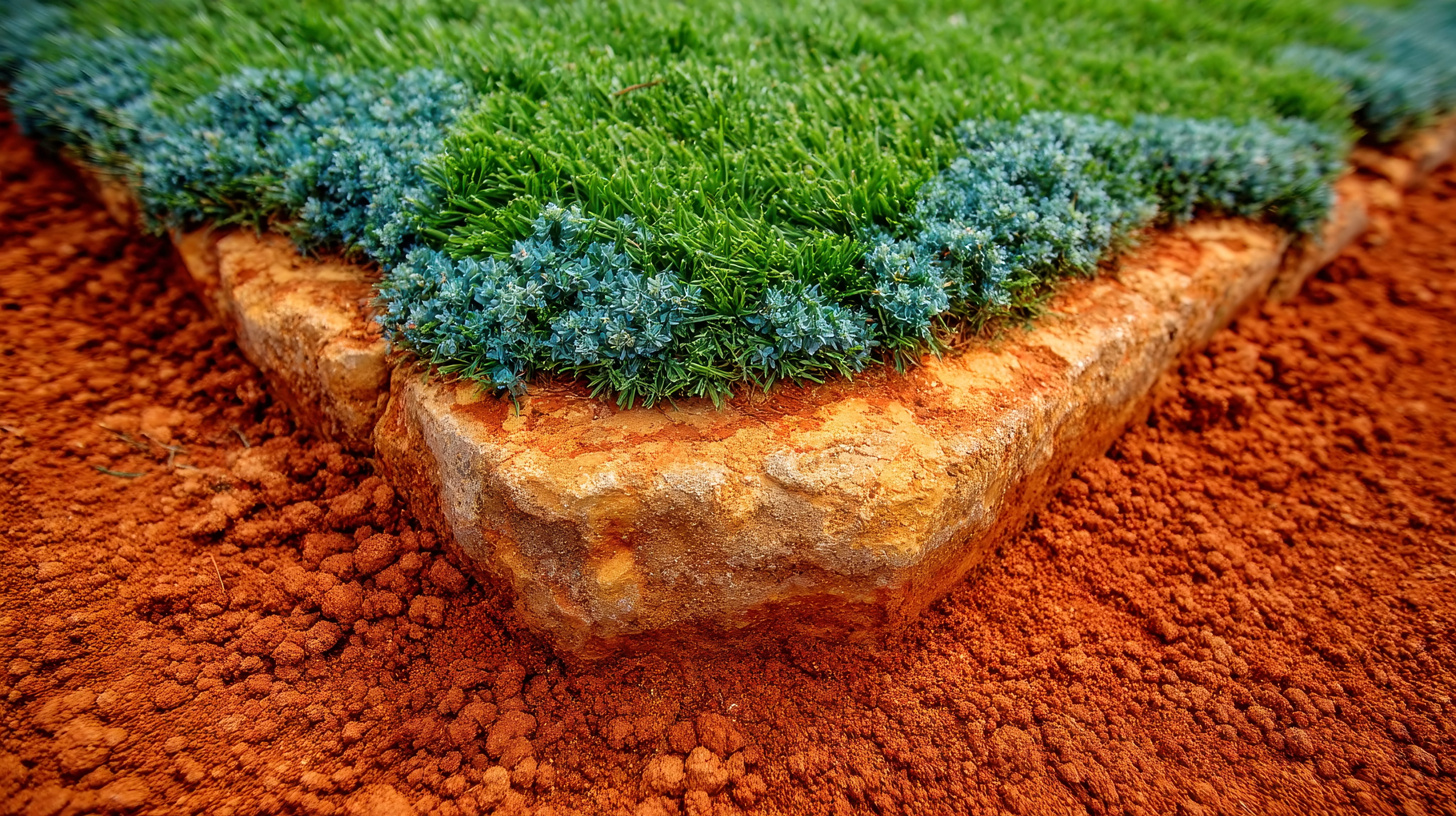
North Texas is known for expansive clay soil. When it absorbs water, it swells. When it dries out, it shrinks and can pull away from foundations. These changes in soil volume can create movement under and around a home’s slab.
Foundation professionals often emphasize that consistent soil moisture around a foundation is helpful, while extreme swings between very wet and very dry can contribute to movement.
How Natural Lawns Affect Soil Moisture
With a natural lawn, regular irrigation adds water to the soil, including areas near the foundation. When homeowners stop watering during droughts or restrictions, soil can dry out and shrink.
How Artificial Turf Changes the Equation
When you replace natural grass with artificial turf:
Irrigation in turf areas is typically reduced or stopped. Since turf doesn’t need watering, the sprinkler zones that once watered those areas may be capped.
Rain still passes through. Properly installed turf allows rain to drain through the turf and base.
Grading changes may occur. Installation involves grading the area to manage drainage.
Because irrigation patterns can change, it’s important to think about how soil moisture near your foundation will be managed after turf installation.
Planning Turf With Your Foundation in Mind
Maintain Proper Grading Away From the House
Turf installation should be graded so water drains away from the foundation, not toward it. Water pooling against a foundation is one of the things homeowners generally want to avoid.
Consider a Buffer Zone
Some homeowners choose to leave a planting bed or landscaped strip between the foundation and turf. This area can continue to receive irrigation and helps maintain soil moisture near the house.
Keep Foundation Watering Options
If you use soaker hoses or drip irrigation for foundation watering, discuss with your installer and foundation professional how to keep that system working after turf is installed.
Adjust Irrigation Thoughtfully
Rather than shutting off all irrigation, consider converting zones to drip irrigation for planting beds near the foundation.
Manage Downspouts
Downspouts should discharge water away from the foundation. Turf projects are a good time to review where gutter water goes.
Talk to a Foundation Professional
If you have known foundation issues or concerns, consult a foundation professional before making major landscape changes.
Hardscape and Your Foundation
Patios and walkways near the house also affect drainage. Concrete and paver surfaces should always be sloped away from the foundation so water doesn’t flow toward the slab. Proper installation of hardscape is just as important as turf when it comes to protecting your home.
Common Mistakes to Avoid
- Grading turf so water flows toward the house
- Removing all moisture sources near the foundation without a plan
- Ignoring downspout discharge locations
- Covering foundation weep areas or vents
- Building hardscape that slopes toward the home
Benefits of Turf When Planned Correctly
When turf is installed with proper grading and a thoughtful moisture plan, homeowners can enjoy:
- A green, low-maintenance lawn
- Reduced overall water use
- Better drainage across the yard
- No mud or bare spots
- A cleaner, more organized landscape
Questions to Ask Your Turf Installer
- How will the turf be graded in relation to my foundation?
- Where will water drain during heavy rain?
- What happens to my sprinkler zones near the house?
- Can we keep a planting bed or buffer near the foundation?
- How will downspout water be managed?
Frequently Asked Questions
Will artificial turf damage my foundation?
Turf itself doesn’t directly damage foundations, but changes in grading and moisture should be planned carefully. Consult a foundation professional for specific concerns.
Should I keep watering near my foundation after installing turf?
Many homeowners maintain planting beds or drip irrigation near the foundation. Discuss your situation with a foundation professional.
Can turf be installed right up to the house?
It can, but some homeowners prefer a planting bed buffer. Proper grading away from the house is essential either way.
Does turf improve drainage near my home?
Proper grading during installation can help direct water away from your foundation.
Plan Smart, Protect Your Home
Artificial turf can be a great upgrade for DFW homes, but in a region known for expansive clay soil, it’s smart to plan with your foundation in mind. Proper grading, thoughtful irrigation changes, and good drainage help ensure your new yard works with your home, not against it.

Want a Turf Project Planned With Your Whole Home in Mind?
At Finest Turf, we know North Texas clay soil, and we understand why DFW homeowners think carefully about drainage and moisture around their homes. We install artificial turf, pavers, and concrete for homeowners across the DFW Metroplex, and we plan every project with grading and water flow in mind. Whether you’re replacing a backyard lawn, upgrading your front yard, turfing a side yard near the house, or adding a patio or walkway, we’ll make sure surfaces are graded to send water away from your foundation.
During your consultation, we’ll talk through your sprinkler zones, downspouts, and whether a planting bed buffer near the house makes sense for your property. We’re also happy to coordinate with recommendations from your foundation professional. Every installation is built on a properly graded, compacted base designed for clay soil, with clean seams and secure edges. You’ll get owner-led service and clear communication from your first consultation through the final walkthrough.
Enjoy a green yard with peace of mind. Schedule your free consultation with Finest Turf today and let’s plan a turf project that works with your home.


